Planning Your Hiking Trip to Cantabria: What You Need to Know
I’m María. I’ve spent years trekking the mountain ranges and the coast, and if there’s one thing I’ve noticed as a guide, it’s that many people arrive in the tierruca with a mistaken idea of the terrain or the timing. Cantabria isn’t a place for uniform “strolls”; it’s a geography of sharp contrasts where logistics can determine whether you enjoy the trail or end up turning back due to unexpected fog or overly technical terrain.
If you are organizing your mountain holidays in Cantabria, here is an objective analysis of what you will find on the ground.
1. Choosing the Date: The Weather Factor
In Cantabria, the calendar rules more than your desires. Not every season works for every area:
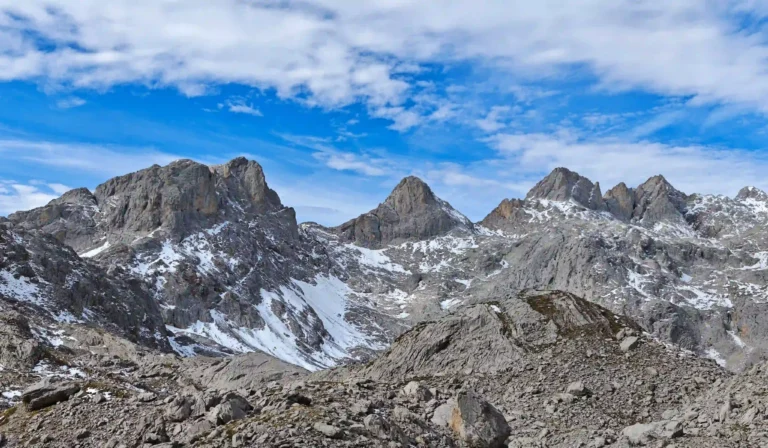
- Spring (April – June): This is the snowmelt season. The rivers of the Asón run wild, and the brañas (mountain pastures) of the Pasiego Valleys are at their greenest. However, in Picos de Europa, you will still find plenty of snow in the high jous, requiring technical gear (crampons/ice axe).
- Summer (July – August): The dry season, ideal for high-altitude trekking. The karst terrain is stable, but the classic routes in Picos get crowded. This is the time to seek out lesser-known “canales” (steep gullies) or coastal routes where the Cantabrian breeze softens the heat.
- Autumn (September – November): For me, the best time. The Saja-Besaya beech forests turn orange, and the ground is carpeted in fallen leaves. The air is crisper, and visibility on the peaks is higher, though days grow shorter and the cold bites as soon as the sun dips behind the mountains.
2. Where to Set Your Logistical Base?
To avoid spending more hours in the car than on the trail, I suggest splitting your stay:
- Western Zone (Liébana): If your goal is Picos de Europa. Potes is the main hub, but if you seek silence, stay in higher villages like Espinama or Tudes. From here, you have direct access to the Central and Eastern massifs.
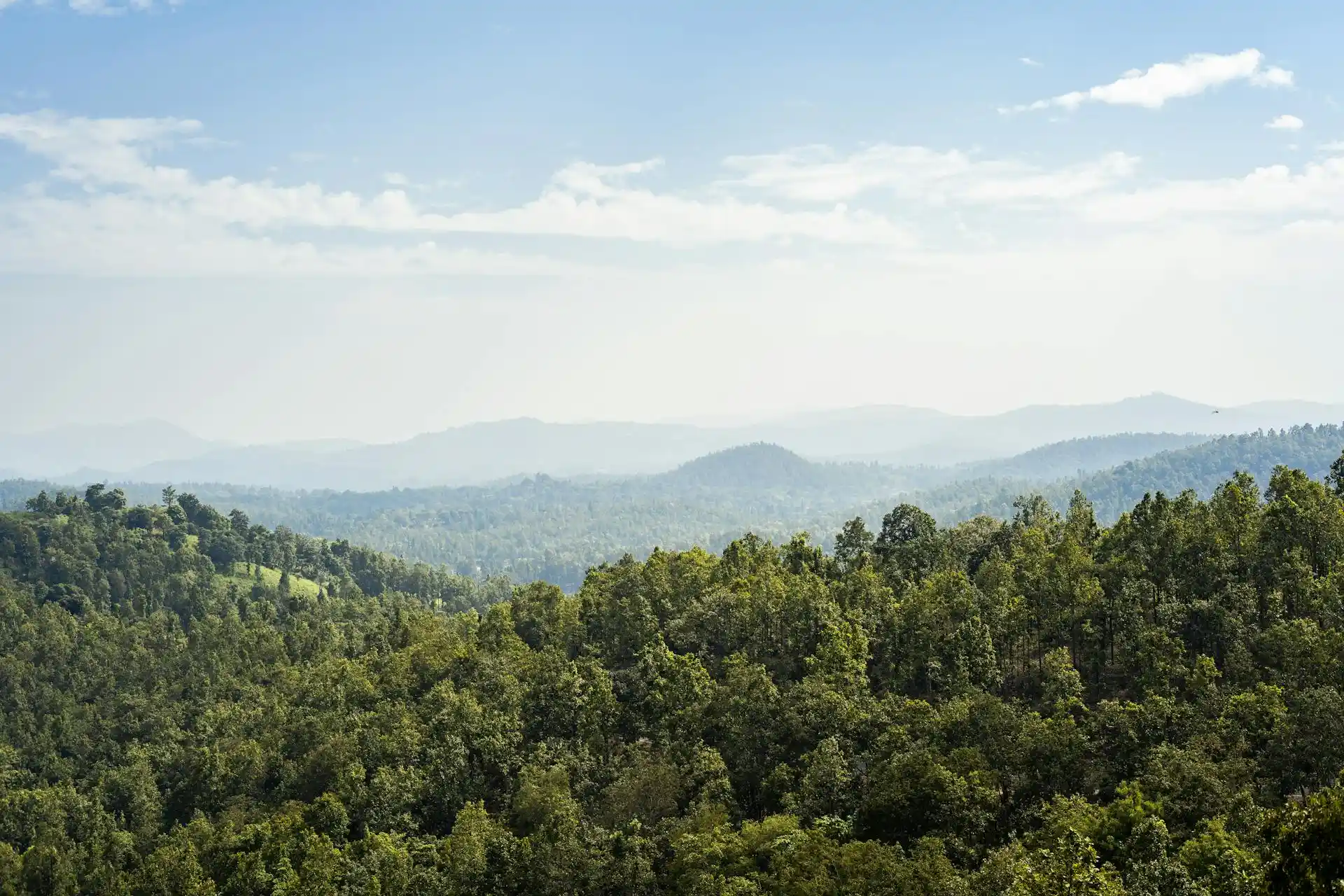
- Central Zone (Pasiego Valleys / Saja): Ideal for mid-mountain hiking, deep forests, and contact with traditional cattle-farming culture. The terrain here is softer, consisting of meadows and invernales (stone shepherd huts).
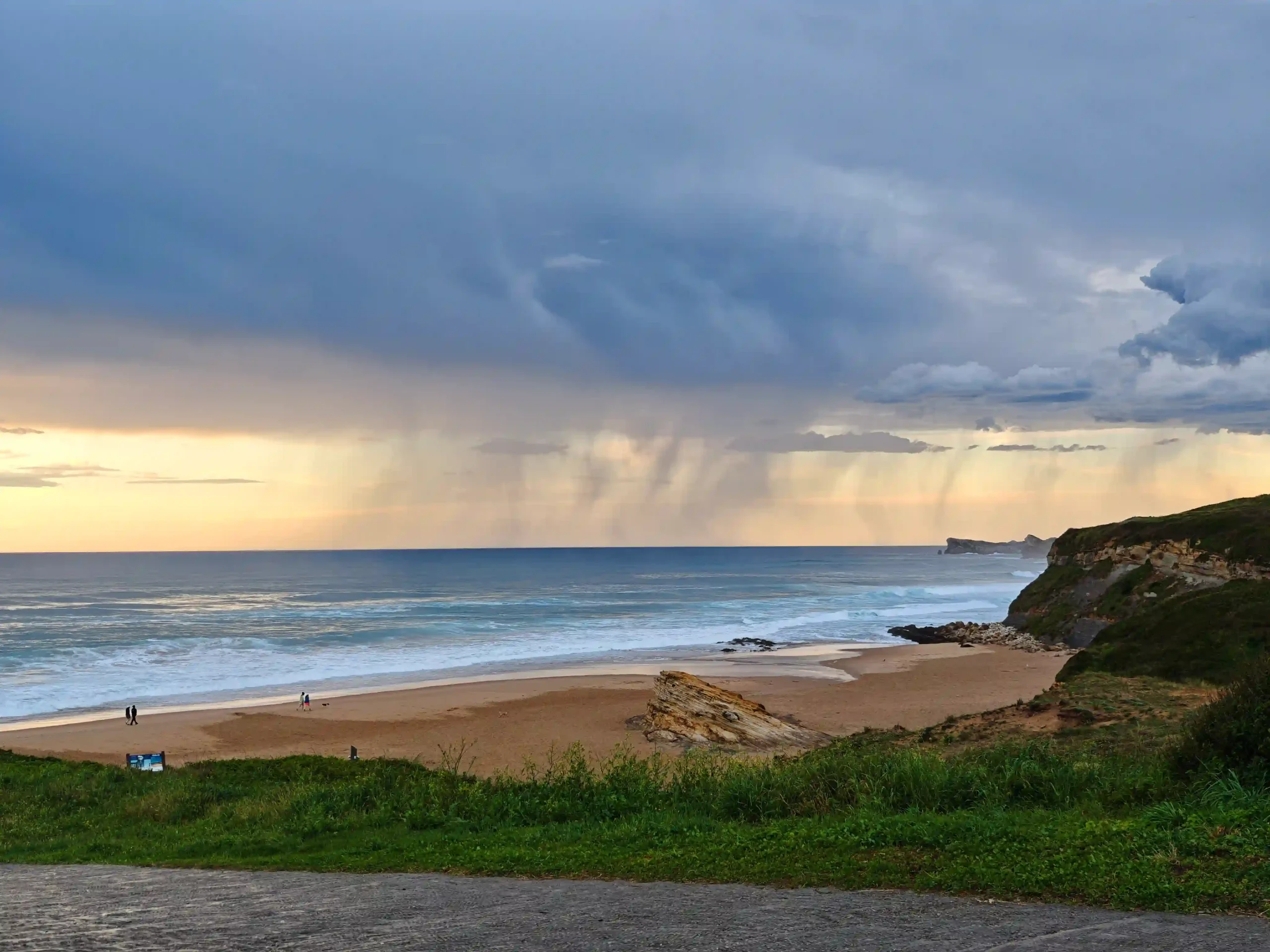
- The Coast: If you’re looking for cliffside routes and fisherman trails. The area around Liencres or Santoña offers technical paths over flysch rock, perfect for days when the high mountains are closed off by fog.
3. Terrain Reality: Limestone vs. Pasture
One common mistake is underestimating the harshness of the terrain in Cantabria.
In Picos de Europa, the limestone is aggressive. It’s a rock that cuts and doesn’t forgive soft soles. Additionally, the lack of surface water (the rock filters it all underground) forces you to carry more weight in your pack.
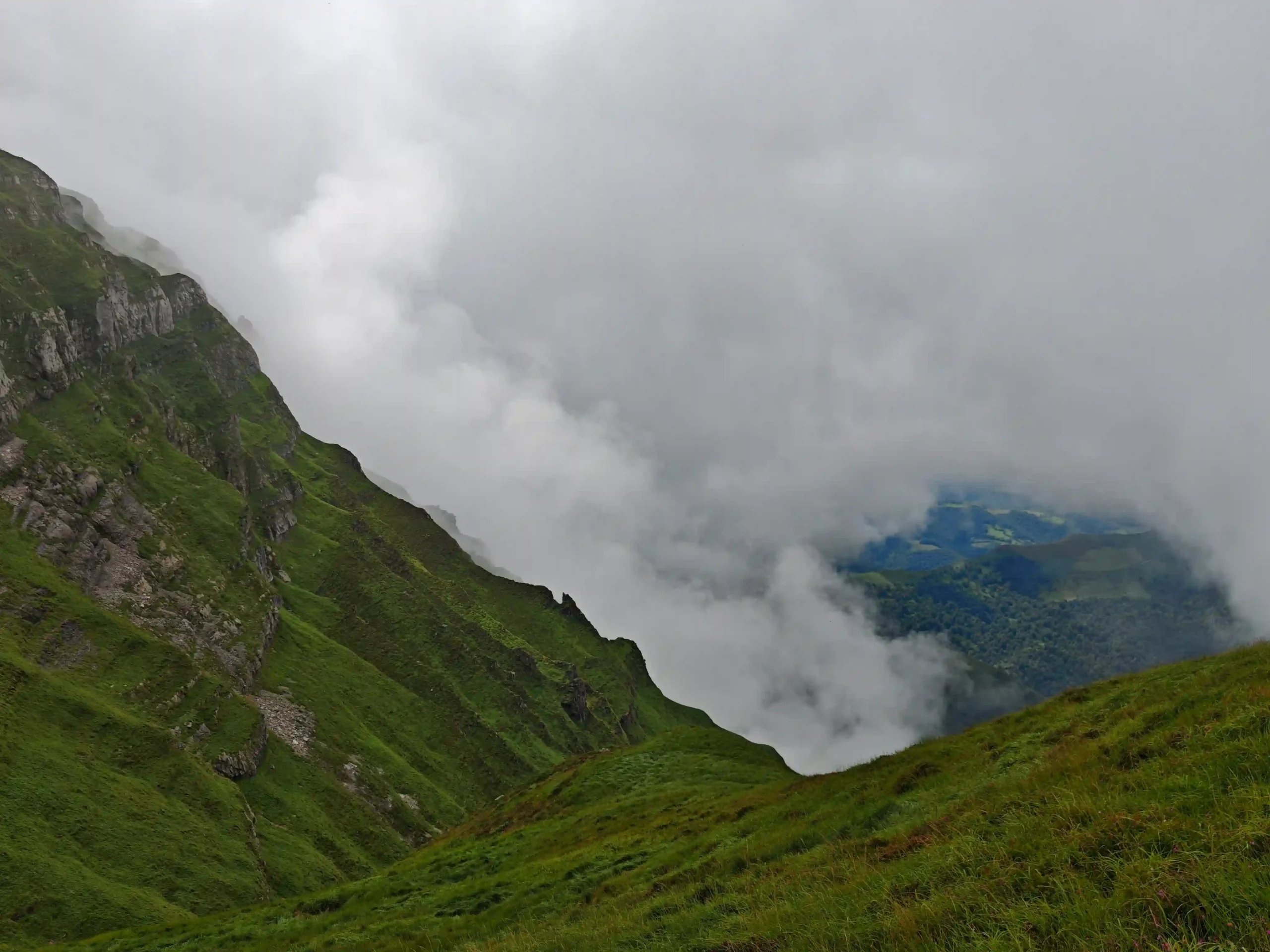
In the inland valleys, the challenge is humidity. The grassy slopes in areas like Castro Valnera can be as technical as a rocky ridge if the ground is wet—a very common occurrence due to morning dew or “stagnant fog.”
4. Why Book a Guided Hike?
Nowadays, anyone has a GPS with a track, but technology doesn’t “read” the terrain. As the lead guide at Cantabria Treks, my value isn’t just showing you the way, but managing the invisible:
- Safety and Weather Shifts: The nublo (thick fog) in the Picos can wipe out visibility in 10 minutes. Knowing the escape points and natural shelters is vital.
- Local Access: There are brañas and trails that aren’t on Google Maps, known only to those of us who live here through oral tradition or years of exploration.
- Geology and Culture: Understanding why a jou has that shape or how transhumance works in the Pasiego Valleys completely changes your perception of the route. It stops being a physical exercise and becomes a cultural experience.
5. Essential Gear Recommended for the “Tierruca”
Don’t skimp on these three things:
- Boots with Vibram soles (or similar): You need real grip on wet rock.
- Technical third layer: A good windbreaker/rain jacket. The North wind gives no warning.
- Basic foot first-aid kit: Irregular terrain causes blisters easily.
In summary, Cantabria is a land that reveals itself little by little. If you’re looking for more than just adding kilometers and want to understand the landscape beneath your feet, I invite you to look at the 2026 map with me. I can help you design a multi-day traverse or a technical day-trip in the Picos.