Camino Lebaniego: A Pilgrimage in Cantabria
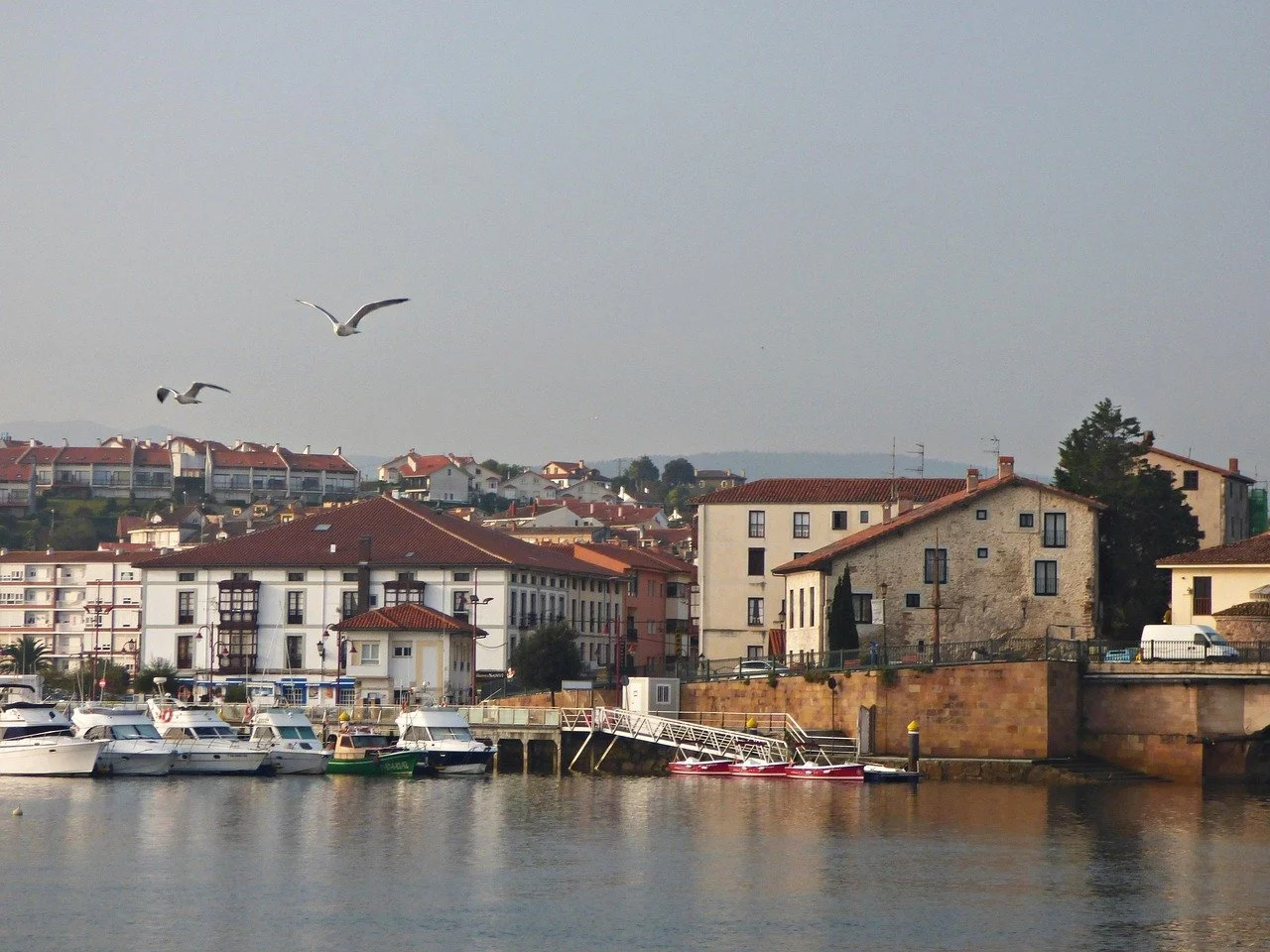
The Camino Lebaniego is a 71.73 km pilgrimage route that takes place entirely within Cantabria. It begins in San Vicente de la Barquera, one of the region’s most beautiful coastal towns, before heading deep into the mountains to finish at the significant Monastery of Santo Toribio in Liébana.
The trek is divided into 3 stages, which you can see in more detail in our section Routes – Historic Paths – Camino Lebaniego.
- Stage 1: San Vicente de la Barquera – Cades (28.5 km, +580 m).
- Stage 2: Cades – Cabañes (30.5 km, +1,500 m).
- Stage 3: Cabañes – Santo Toribio (13.7 km, +340 m).
These three stages can be considered “tough” compared to standard stages of the Camino de Santiago, as they involve significant elevation gains and mountain terrain. It is the perfect option to experience Cantabria’s contrasts—between the coast, river paths, and high peaks—its remote villages, its history, and its lack of crowds.
History of the Camino Lebaniego
The Camino Lebaniego dates back to the Middle Ages, driven by the pilgrimage to the Monastery of Santo Toribio de Liébana, which houses the Lignum Crucis—a fragment of the True Cross of Christ brought by Toribio of Astorga. The remains of the Saint, to whom healing and miraculous properties were attributed, also rested there.
Because of this, pilgrims on the Camino Lebaniego were known as “crucenos” (“Pilgrims of the Cross”), those who came to worship the Cross.
This devotion grew until it became a major pilgrimage center, earning a Holy Jubilee Year in 1512, granted by Pope Julius II, similar to Rome, Jerusalem, and Santiago de Compostela.
Cantabria is the only region in the Christian world with two UNESCO World Heritage pilgrimage routes: the Camino Lebaniego and the Camino del Norte.
Difficulty
The Camino Lebaniego has a moderate difficulty. While it is a pilgrimage that passes through natural and mountain landscapes, its demands are more physical than technical. For people accustomed to walking and hiking, it should not be overly hard.
However, for those not used to walking, it can be a significant challenge. I highly recommend doing several training hikes of at least 20 km and 800–1,000 m of elevation gain beforehand.
The paths consist of asphalt, forest tracks, river trails, and mountain paths, all marked with red arrows and crosses. The route passes through small villages and water points, but due to their low population, finding food stops isn’t always easy. We recommend carrying your own food for each day or planning your meal stops well in advance.
If we were to classify the stages by physical difficulty (as there is very little technical difficulty), I would define them as follows:
- Stage 1: Medium
- Stage 2: Hard
- Stage 3: Easy
It is important to plan ahead for accommodation (pilgrim hostels), stages, meals, and the necessary equipment depending on the season. Since it crosses mountain terrain, the path requires extra anticipation of adversity and caution. Bad weather can turn a “medium” stage into a “hard” one, and you must be prepared for that.
The Richness of the Camino Lebaniego
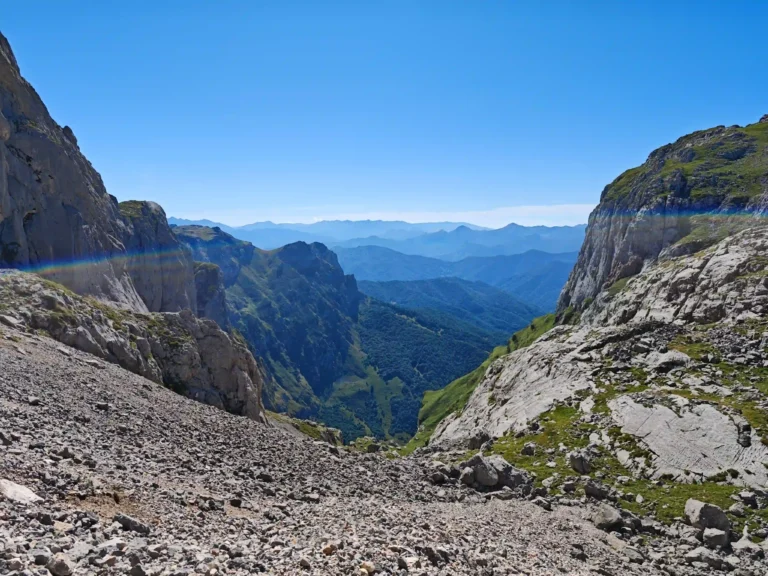
The appeal of the Camino Lebaniego lies in its fusion of nature, history, and spirituality, connecting the Cantabrian Sea with the Picos de Europa. It combines a rich cultural heritage—featuring villages with medieval and Romanesque legacies—with breathtaking natural landscapes, such as the Hermida Gorge and ancient chestnut forests.
Natural Highlights
- Hermida Gorge (Desfiladero de la Hermida): An impressive and beautiful geographical feature that snakes alongside the Deva River.
- Varied Landscapes: The path crosses forests, rivers, pastures, and marshes, many of them within Natura 2000 protected areas.
- Scenic Trails: Routes like the river path between Muñorrodero and Camijanes offer shade, river swimming spots, and rest areas.
- Notable Environments: Highlights include sites like the Castañar de Pendes (with thousand-year-old chestnut trees) and the first sweeping views of the Picos de Europa upon entering Liébana.
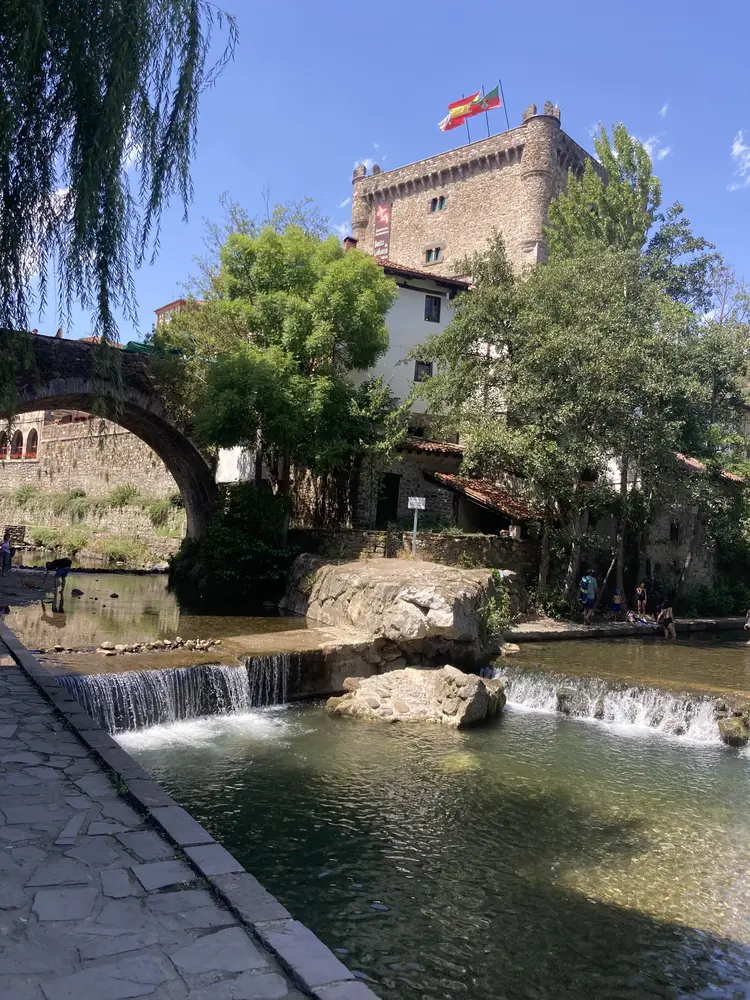 Potes village
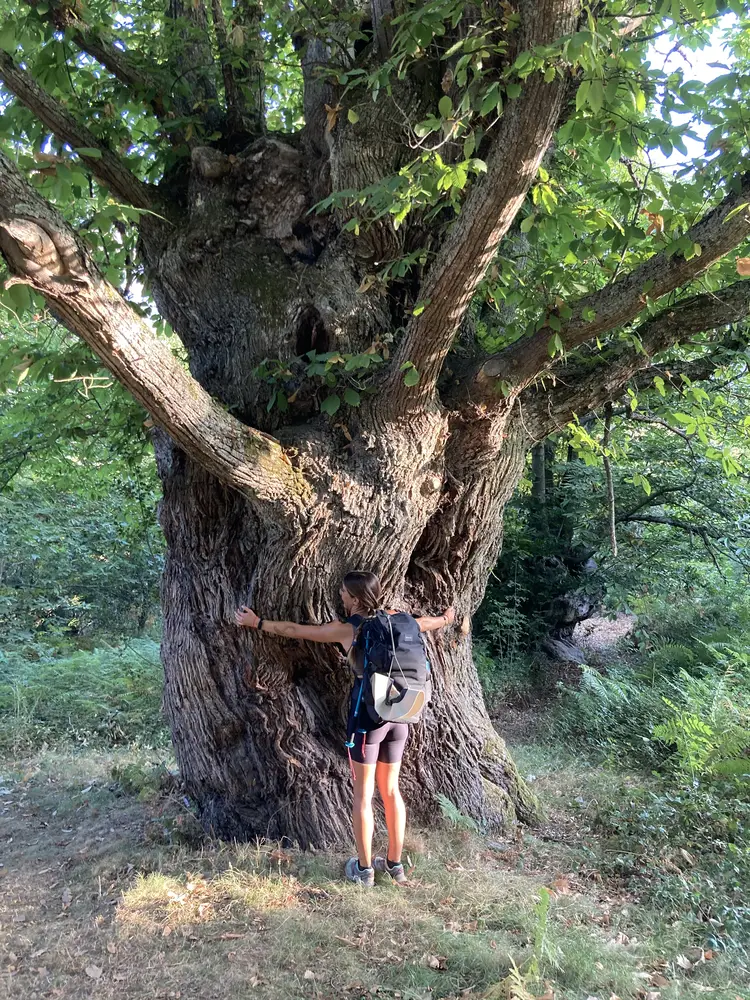 Thousand-year-old chestnut tree
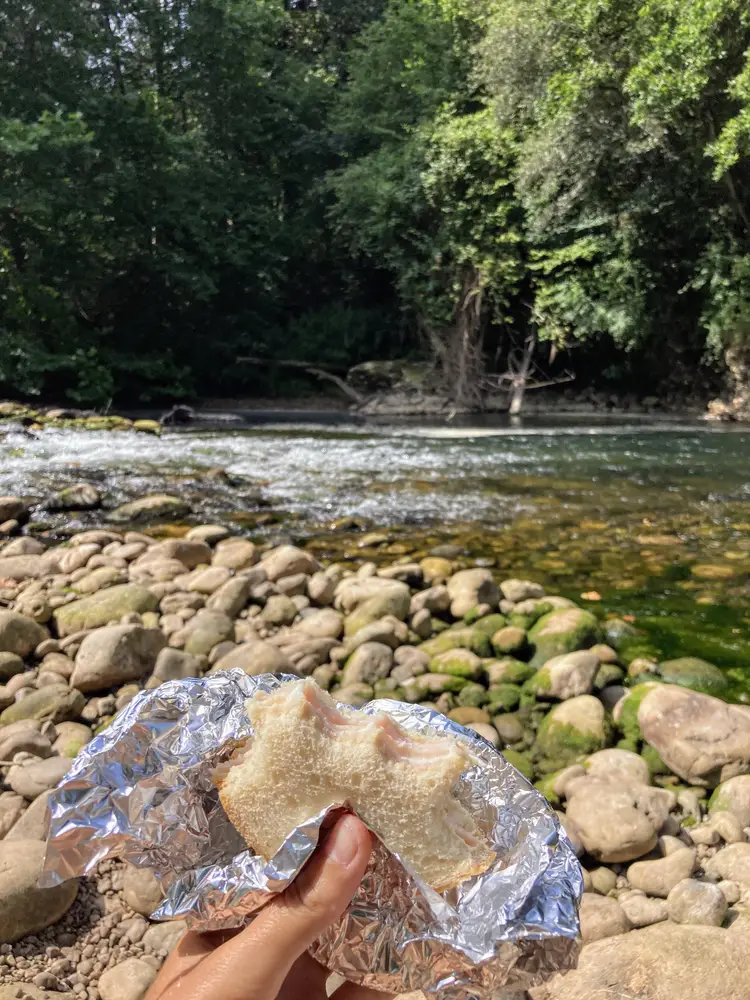 Having a break-time by the river
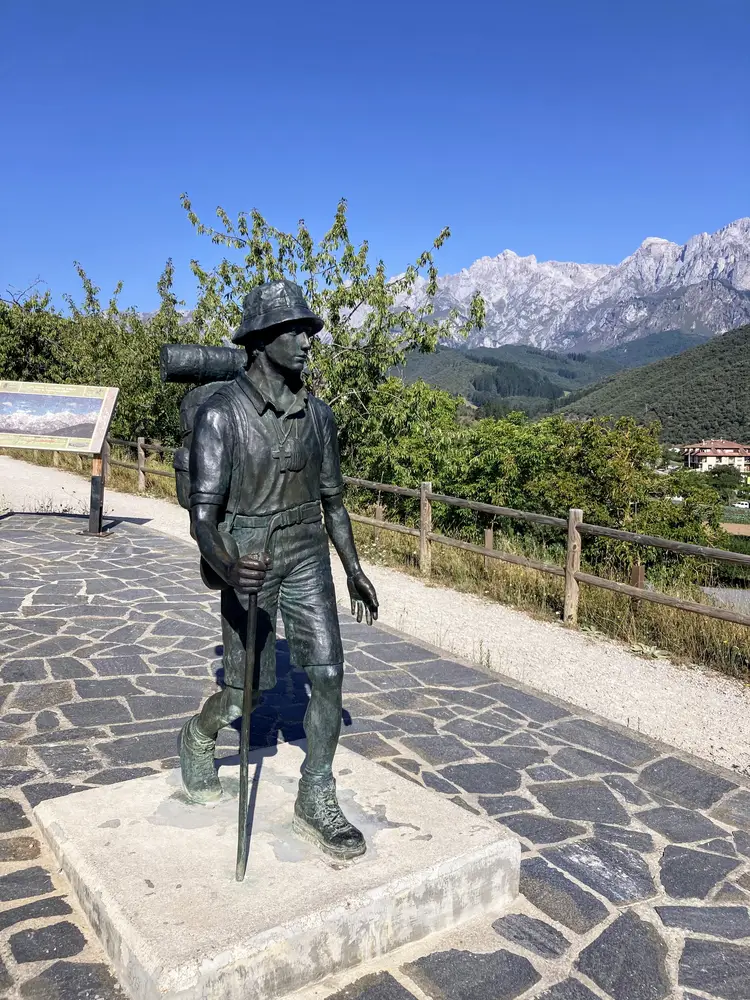 Monument to the Pilgrim
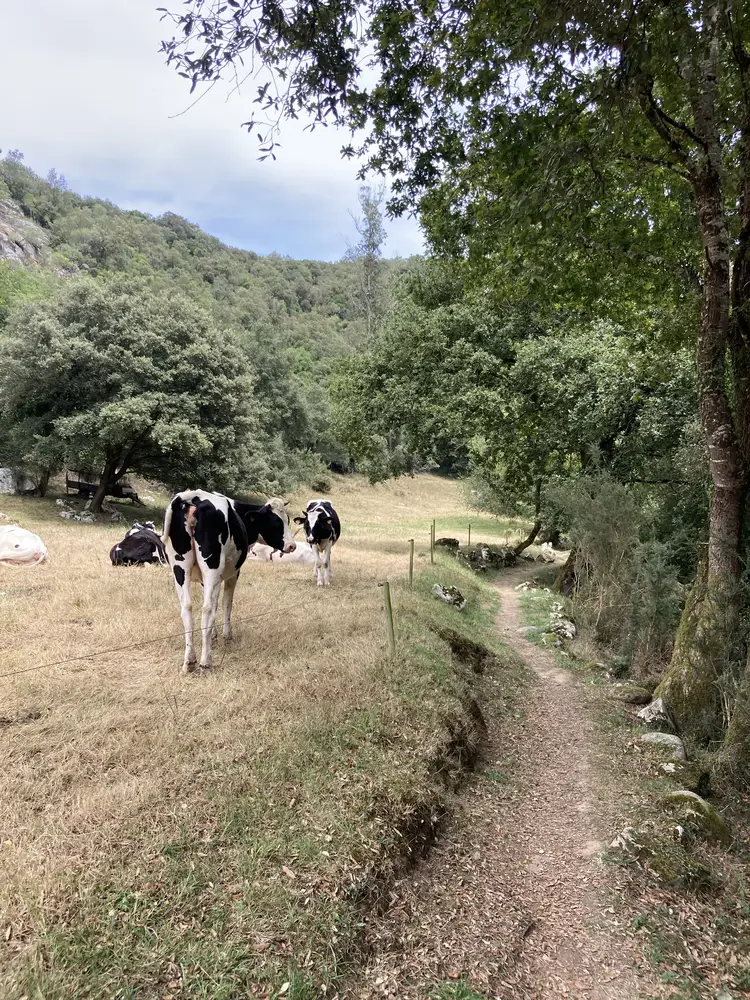 Paths of Camino Lebaniego
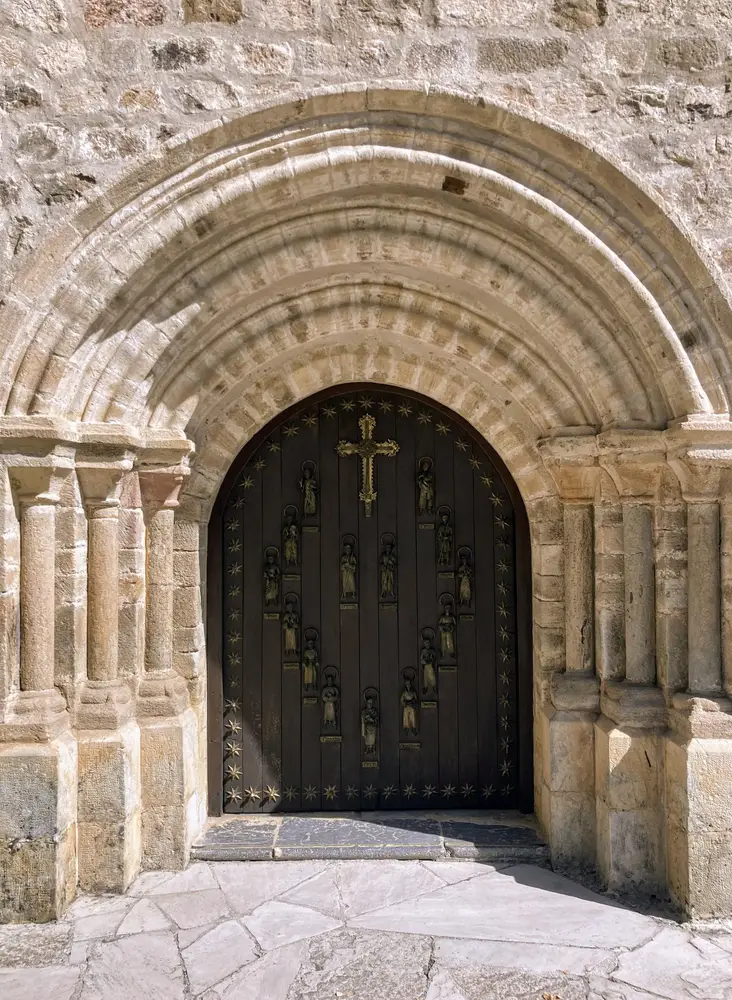 Door of Forgiveness in the Monastery of Santo Toribio
Cultural and Historical Highlights
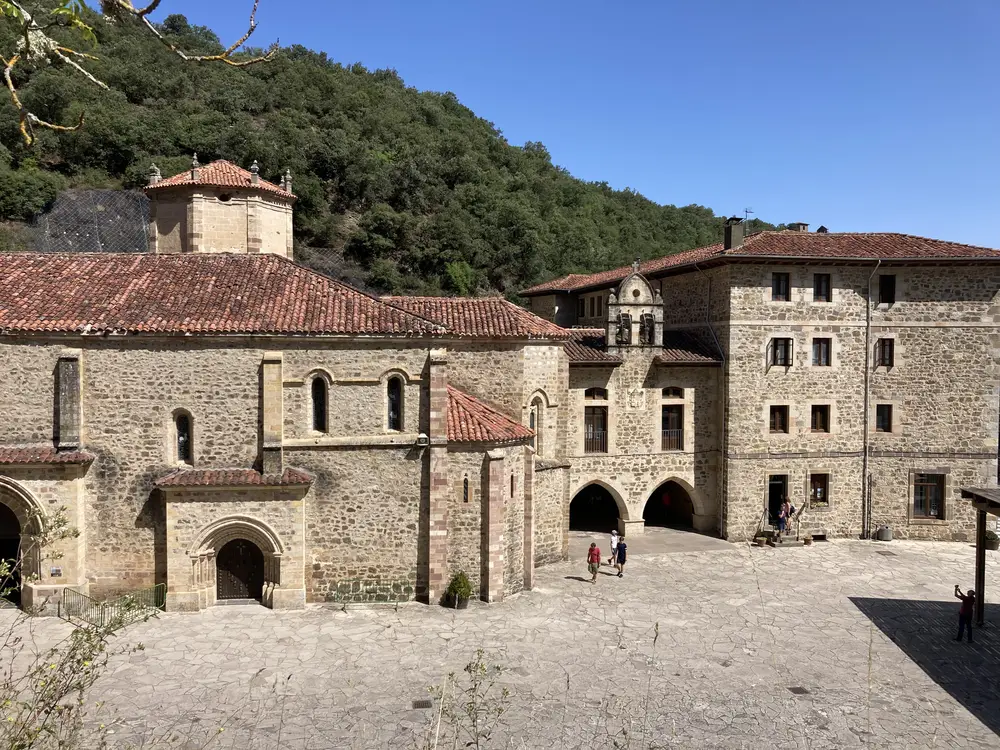
- Monastery of Santo Toribio de Liébana: The final destination and a major pilgrimage site housing the Lignum Crucis.
- Medieval Heritage: Explore the legacy of fortifications and buildings such as the Los Estrada fortress, the medieval tower of Cabanzón, and the Puente de la Maza bridge in San Vicente de la Barquera.
- Charming Villages: Walk through towns with rich architectural heritage like San Vicente de la Barquera, Lebeña, and Potes.
- Churches and Monuments: Visit landmarks like the Gothic church of Santa María de los Ángeles in San Vicente, the Mozarabic church of Santa María de Lebeña, or the Torre del Infantado in Potes.
Experience and Spirituality
- A Unique Experience: It offers a more intimate and less crowded journey than other pilgrimage routes, with a strong spiritual component.
- World Heritage Site: The goal, the Monastery of Santo Toribio, is a UNESCO World Heritage site that opens its “Door of Forgiveness” during Lebaniego Holy Years (the next one being in 2027).
- Connection with Tradition: An opportunity to discover authentic Cantabrian culture and gastronomy.
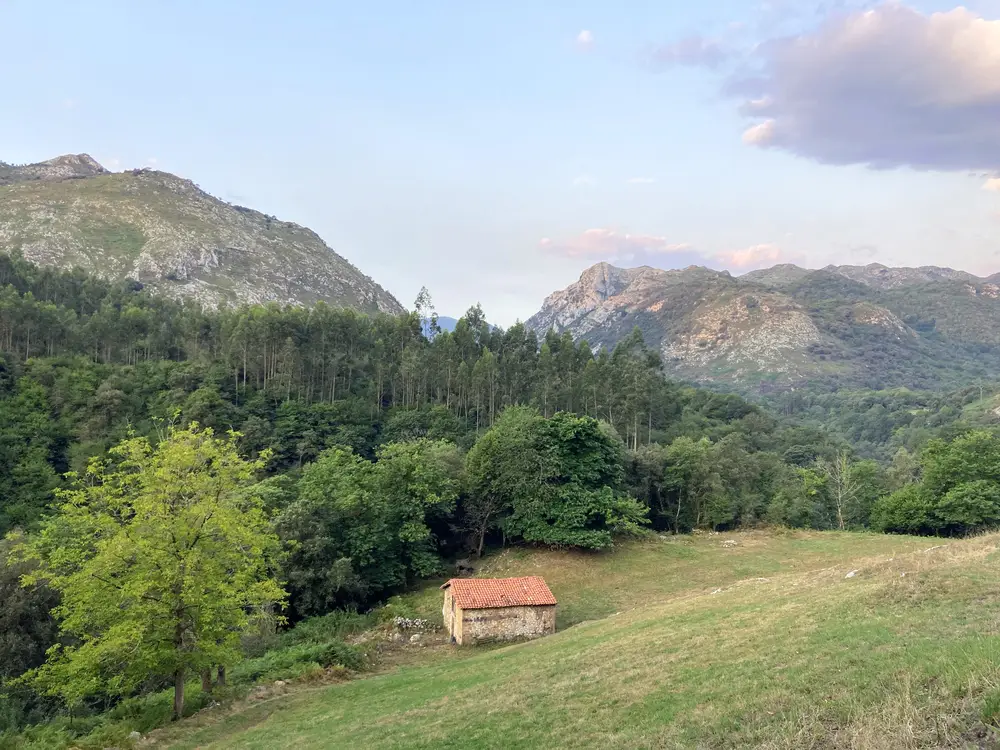 Trails and valleys of Cantabria
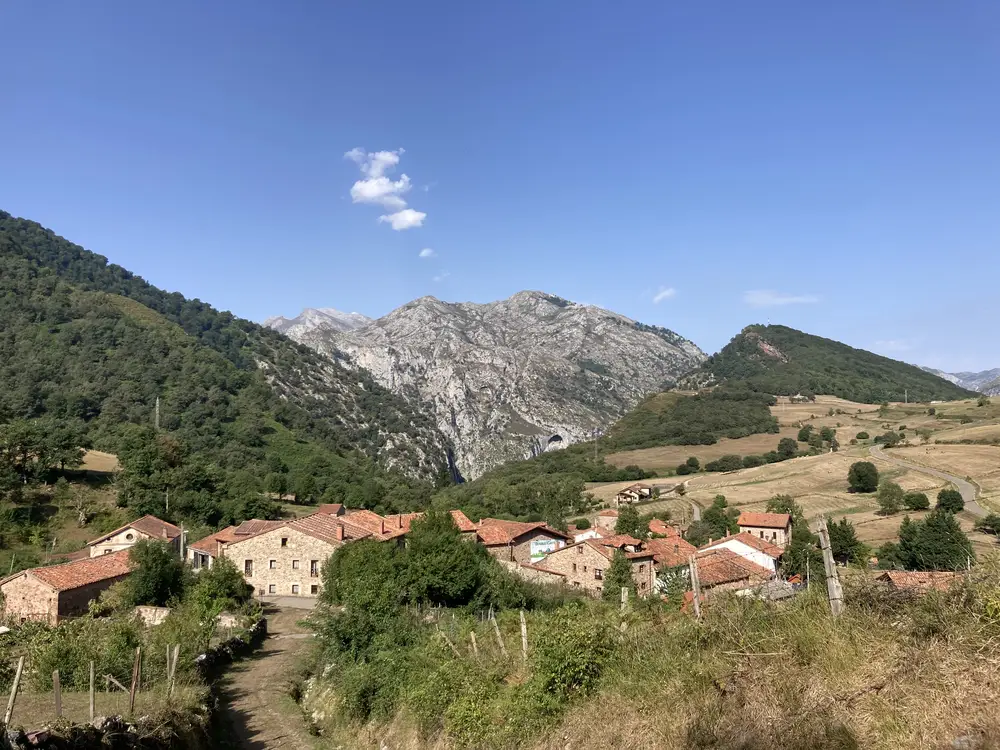 Cantabria villages
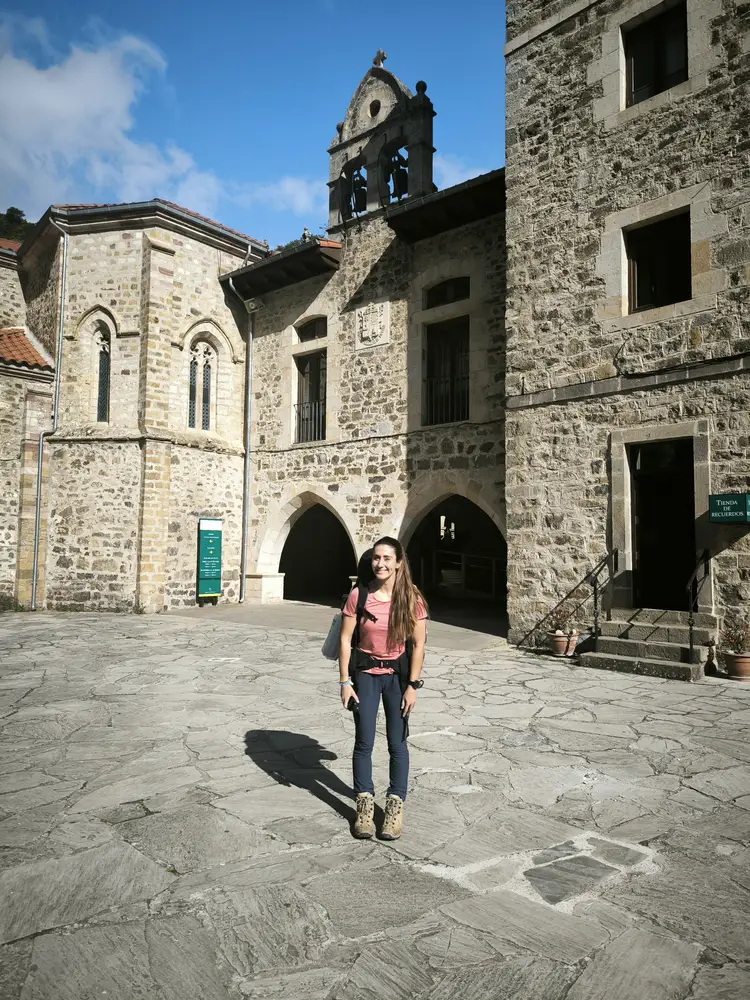 Monastery of Santo Toribio
Walking the Path with a Guide – Cantabria Treks
The Camino Lebaniego is undoubtedly a fantastic way to discover Cantabria and live a unique experience. We are passionate about its natural beauty as much as its culture, history, and spiritual significance.
Walking a pilgrimage route with a guide is a true advantage if your goal is to live the experience to the fullest. You can forget about the logistics and planning of the stages, gear organization, risk management, safety, hostel reservations, and food stops.
We organize everything. We guide you along the way and ensure you have a unique immersion into this 100% Cantabrian pilgrimage.
We’re waiting you!