Crossing the Cantabrian Mountain Range Alone: The Transcantabrian Way
On May 12, 2025, the longest adventure of my life began. At 10:00 AM, I left the Monastery of Santo Toribio de Liébana heading toward Santiago de Compostela, traveling solo through the rugged peaks of the Cantabrian Mountains. The plan: to arrive in 21 days.
I remember exactly what I thought during those first few meters after leaving the monastery behind: “…what have I gotten myself into?”
Preparation
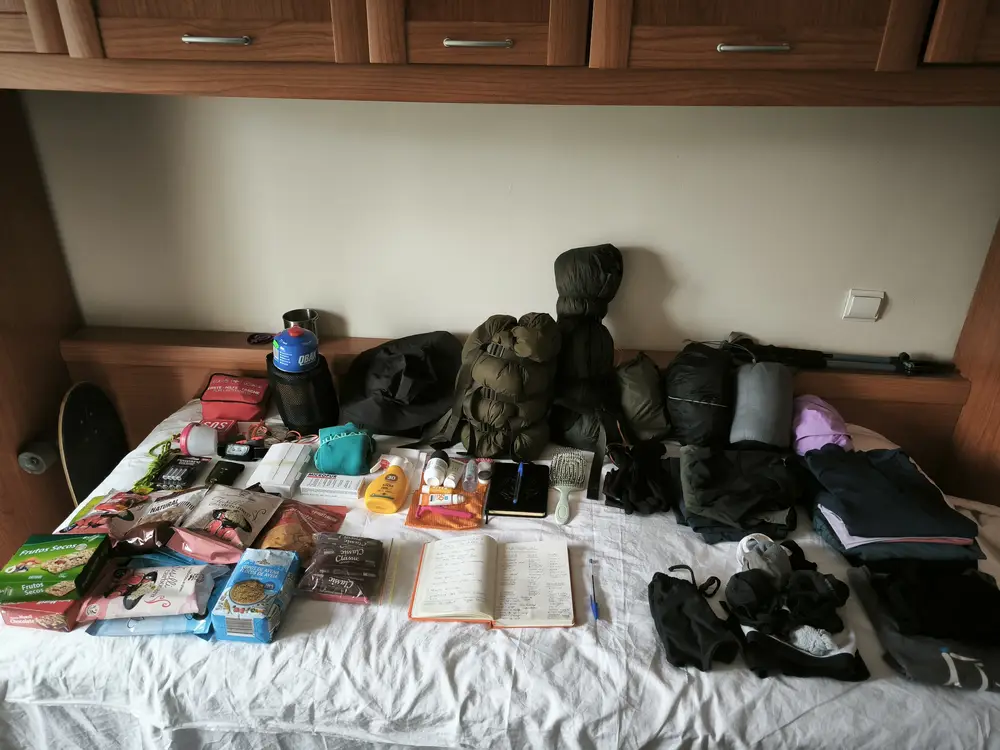
I spent over a month preparing for this journey: a detailed study of every route, creating my own maps and tracks (both digital and paper), planning overnight stays (hostels, campsites, shelters), and studying the terrain, alternatives, and “Plan Bs.” I analyzed every piece of gear I would need. Honestly, it was a massive undertaking, but it’s what made everything run like clockwork.
I decided to take on this path after reading about it on a mountain blog. The Transcantabrian Way (Camino Transcantábrico) was designed by Antonio García with time, dedication, and a passion for history and the mountains. Since it is not well-known, traveled, or signposted, I gave it my own special touch—diverting through specific areas while maintaining the essence: reaching Sarria from Santo Toribio to eventually join the Camino Francés. It turned out to be a much bigger adventure than I ever imagined.
First Sensations
To be honest, it was a mix of excitement, a massive adrenaline rush, stress, and uncertainty.
The first few days were the hardest mentally. Fear took over quickly because my pack felt far too heavy. I constantly thought it would be impossible to endure 21 stages with that weight. My head kept saying, “If I can’t handle this now and I’m just starting, how will I manage later?”
Because that initial feeling was so overwhelming, it took me a few days to realize that I actually could move with that weight, even if only just barely. The hope that I would get used to the pack—and pure, stubborn faith that it would eventually make me stronger—carried me to Santiago. But I’ll tell you right now: that “getting stronger” part never actually happened!
Stages 1–6: Starting the Nomadic Life
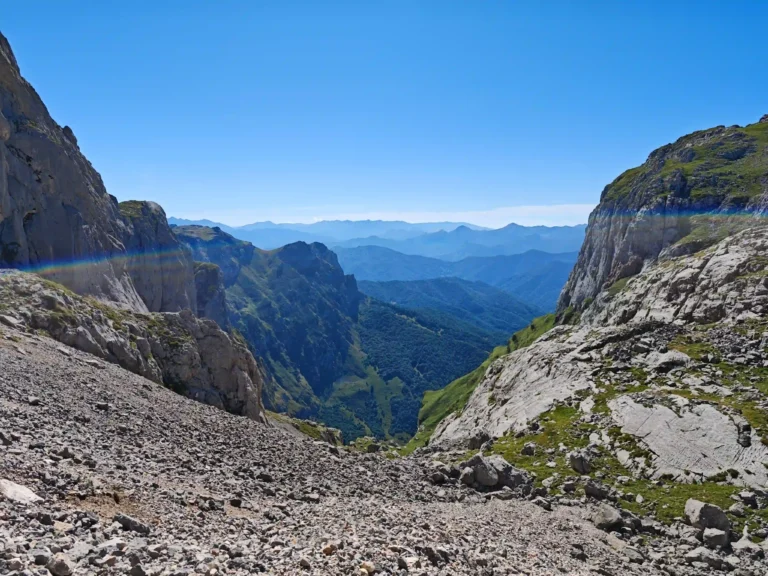
During the first week, I crossed the spectacular Picos de Europa, linking Fuente Dé with Posada de Valdeón and entering the unknown territory of León.
León welcomed me with bad weather for two days, only to give me sunshine for the rest of my journey—a stroke of luck I still find hard to believe.
I discovered the villages and mountains of Sajambre during one of the toughest stages of the entire trip (Stage 3), where I ascended Monte Zalambral and spent the night in its shelter. It was a lonely, ghostly area due to the thick fog. I had never slept alone in a mountain shelter before, and despite being terrified, I felt immensely proud of myself for doing it anyway.
With the sun finally illuminating the path, I reached Polvoredo, Lario, and Acevedo. In Lario, I stopped to recharge, and the owner of the restaurant La Era invited me to breakfast. Whenever I entered a place or crossed paths with people (which was rare), they would ask with curiosity where I was going. I ended up telling my story to almost everyone. I insisted on paying several times, but he wouldn’t let me. I asked, “But why are you treating me?” to which he replied: “Because you are brave.” I felt incredibly grateful.
I continued to Puebla de Lillo, passing through charming villages like Maraña and spectacular areas within the Riaño and Mampodre Mountain Regional Park. By this point, I was already in love with León—its greenery, its rivers and streams, and its mountains.
From Puebla de Lillo, I crossed over to Lugueros via Pico Mahón, which was the highest point of the route and an ascent that left me completely drained! Fortunately, that same day, Eusebio welcomed me to his estate, “Casas de Lugueros.” He took me into his home, let me wash my clothes, gave me dinner and breakfast, and even made me a sandwich for the next day. He often hosted adventurers like me. A legend.
I ended the week in Villamanín, in the Los Argüellos Biosphere Reserve, after passing through beautiful areas like the Canseco Pass and its village.
The week concluded with about 130 km covered, a few aches and pains, incredible experiences, countless messages of encouragement, and plenty of motivation. It also included several escapes from mastines (shepherd dogs), a couple of good cries, about 20 cereal bars eaten, and several “bear sightings” that turned out to be trees.
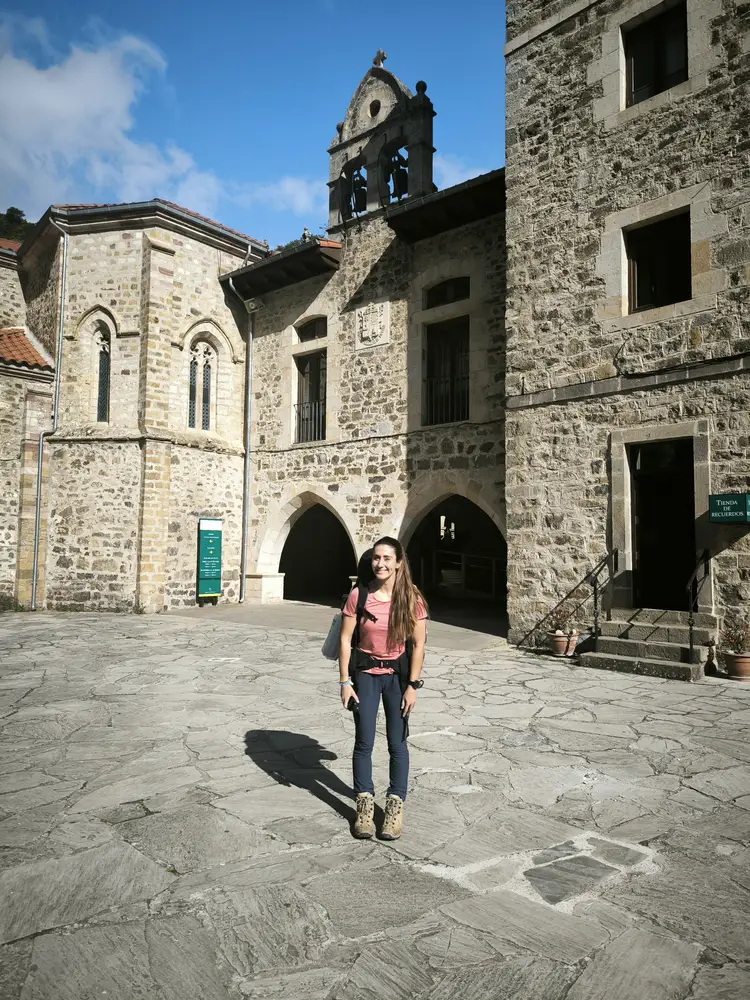 Monastery of Santo Toribio
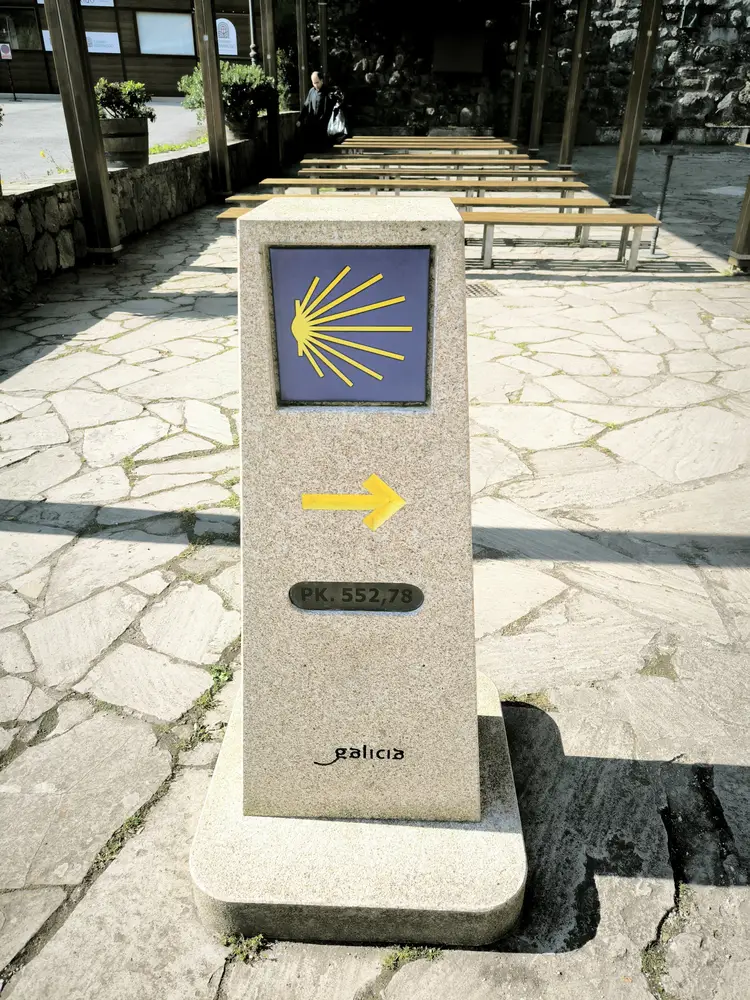 552km left to Santiago
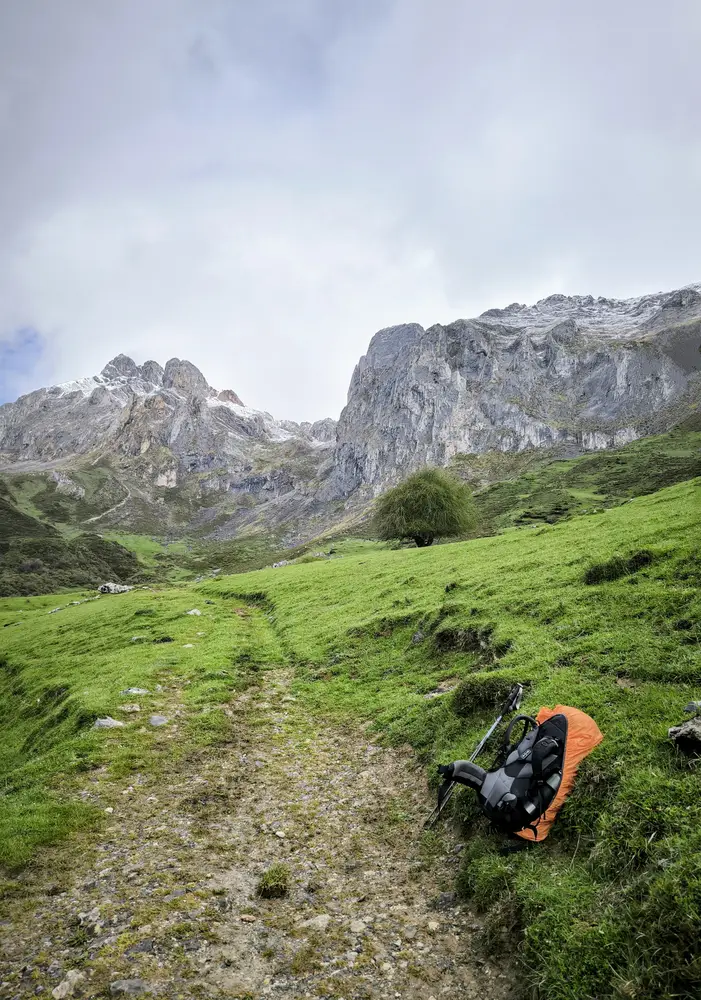 On my way to Posada de Valdeón
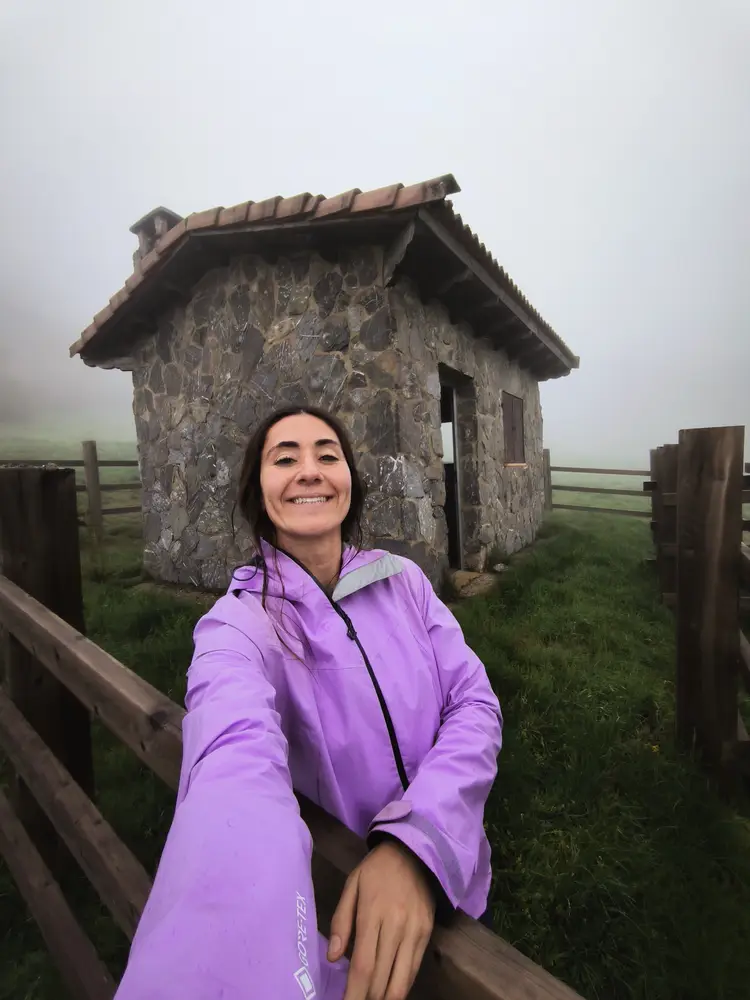 Zalambral mountain hut
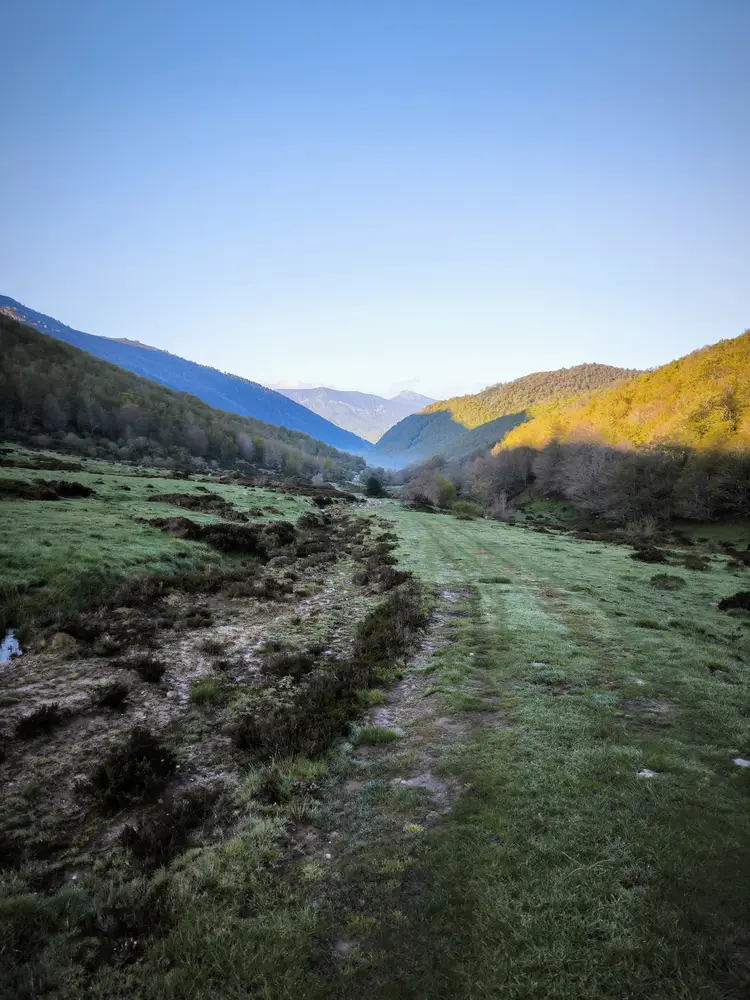 The Pío Way
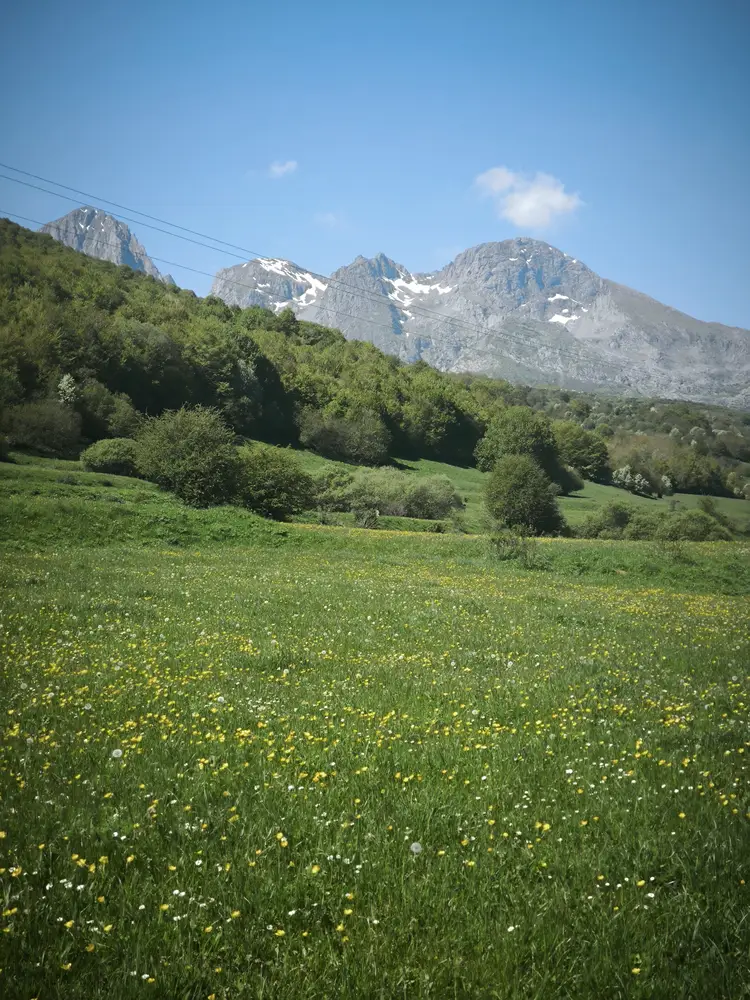 Mampodre
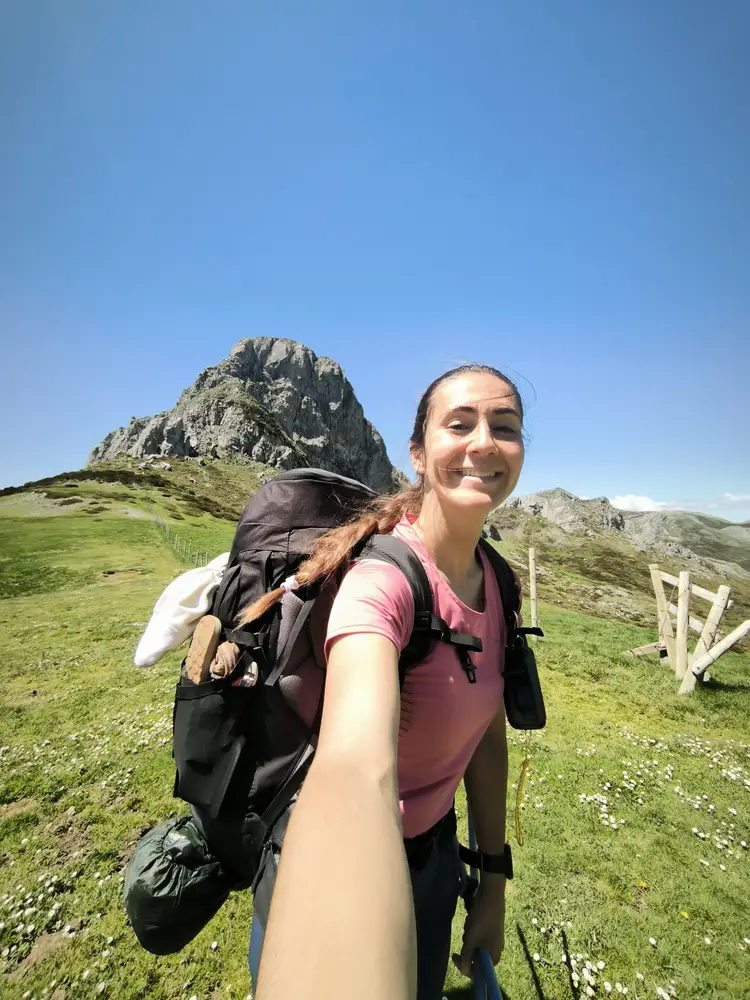 On my way to Puebla de Lillo
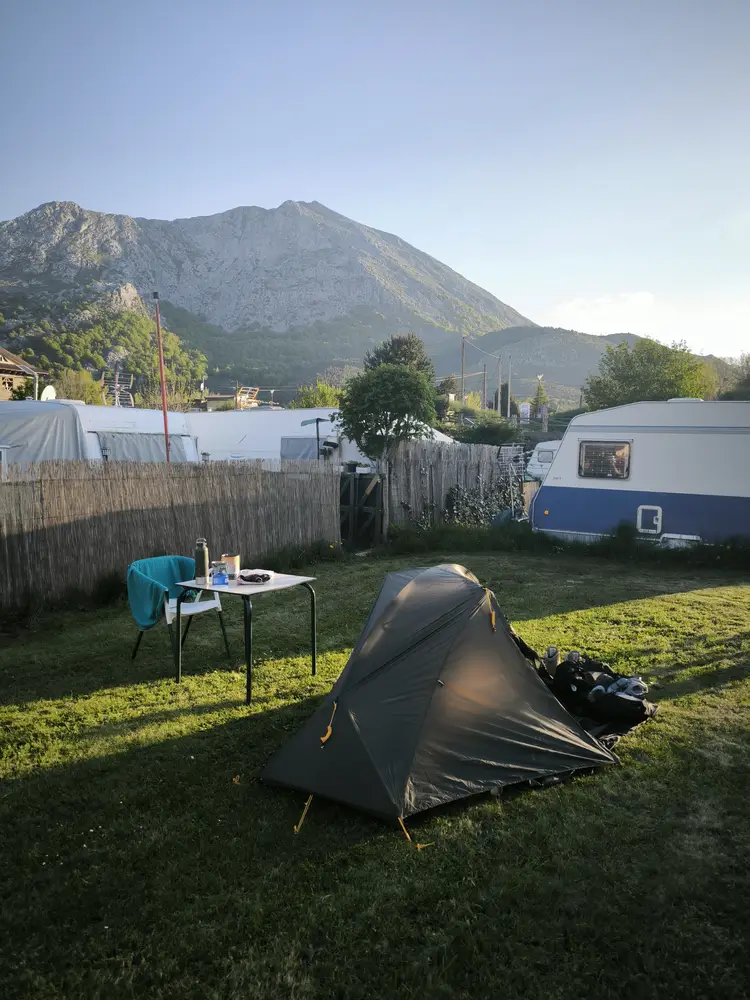 Camping at Puebla de Lillo
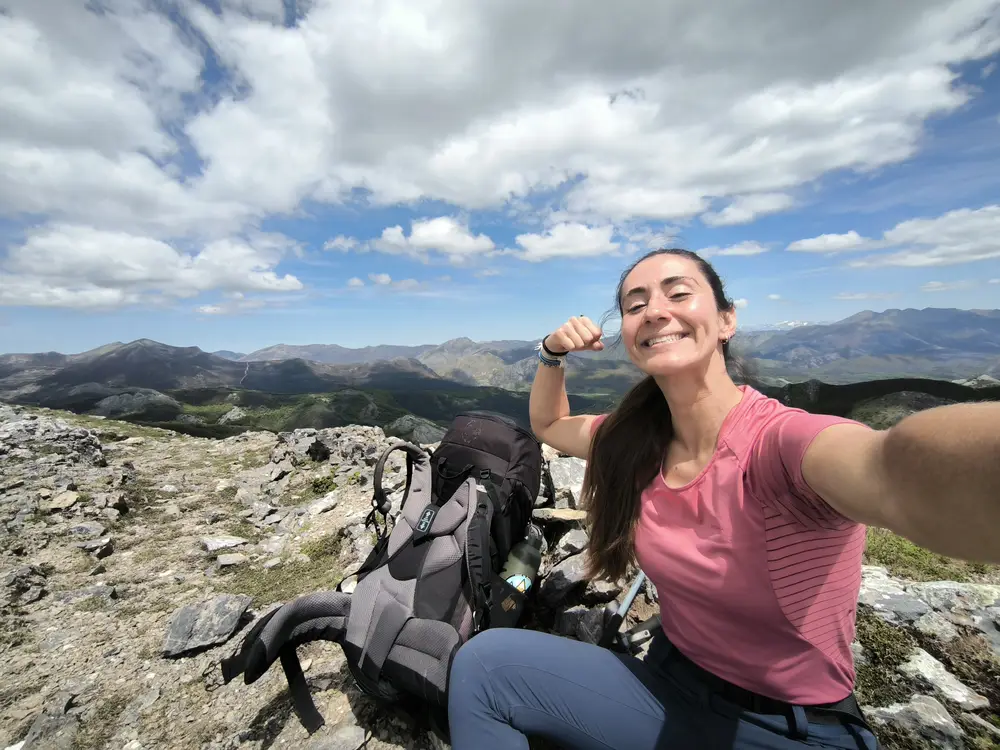 Mahón Peak
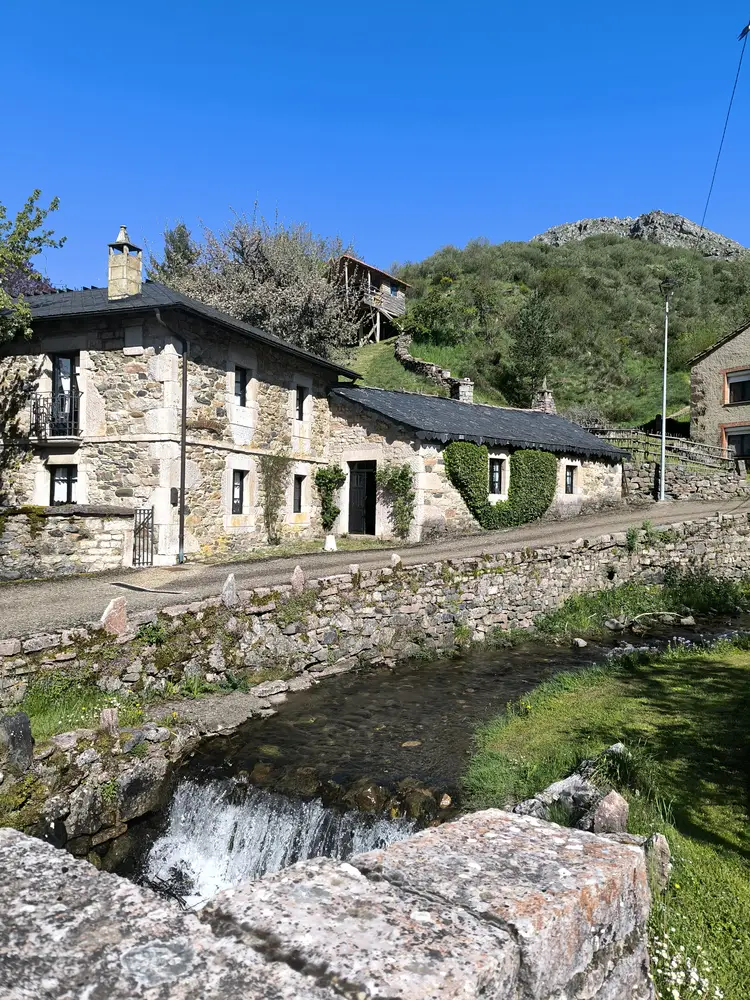 Valdelugueros village
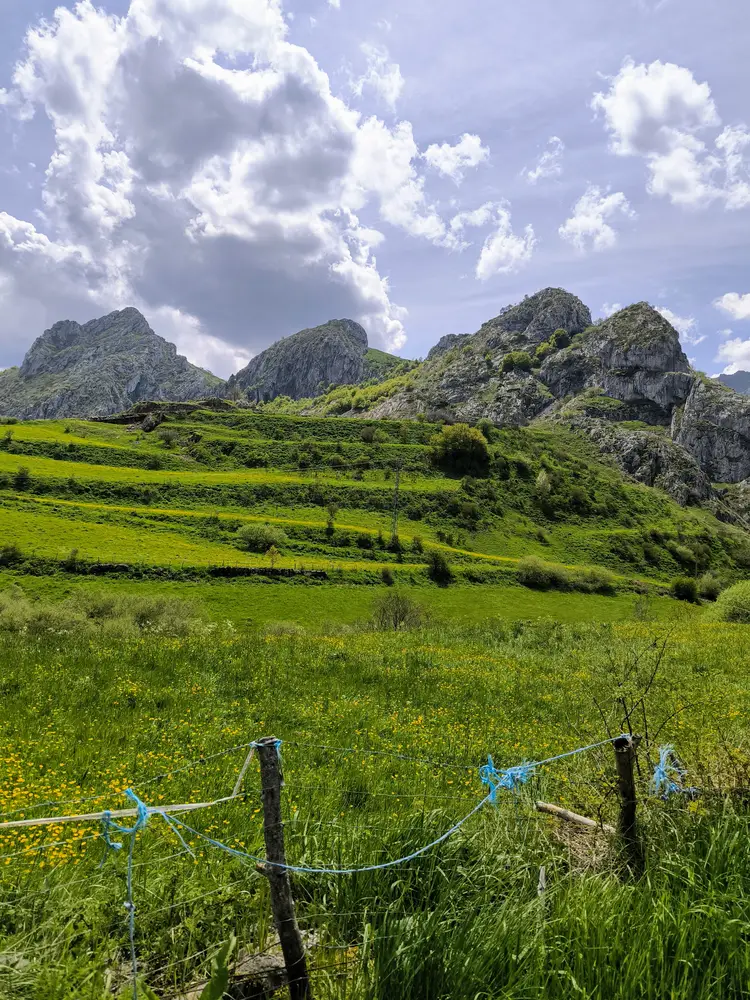 Canseco village
Stages 7–11: Pure León
The aches and pains began to fade, especially one in my instep that had been worrying me deeply. This was a huge morale boost. I had only completed a third of the journey, but I already felt more seasoned—more settled both mentally and physically. I didn’t hesitate to split a couple of stages in half to suffer a bit less; if I had learned anything by then, it was that even the “easy” days were tough.
During this second week, I crossed the Alto Bernesga Biosphere Reserve, the Arbas Valley, the Babia y Luna Natural Park, the Laciana Valley, and the Sil Valley before heading into the Ancares. I am not exaggerating when I say these areas are spectacular.
I want to give a special mention to the lovely village of Cubillas de Arbas, the Babia reservoir (which hides many villages beneath its waters), the Sena de Luna campsite and its river, the Lumajo waterfall, Puente las Palomas, and the Laciana Greenways… honestly, everything is lush, green, and full of water. It’s an area with massive mountains, zero crowds, and immense potential for exploration. I must also mention the best burger of the trip at Los Molinos in Villablino. What a way to recharge—and what a great afternoon of chatting we had there!
The end of this second week marked a major milestone: I had only 4 days of mountain range left before joining the Camino Francés. In my mind, it was the final push. My only goal was to reach Sarria; I knew that once I was there, no matter what happened, I could just let the path carry me to Santiago.
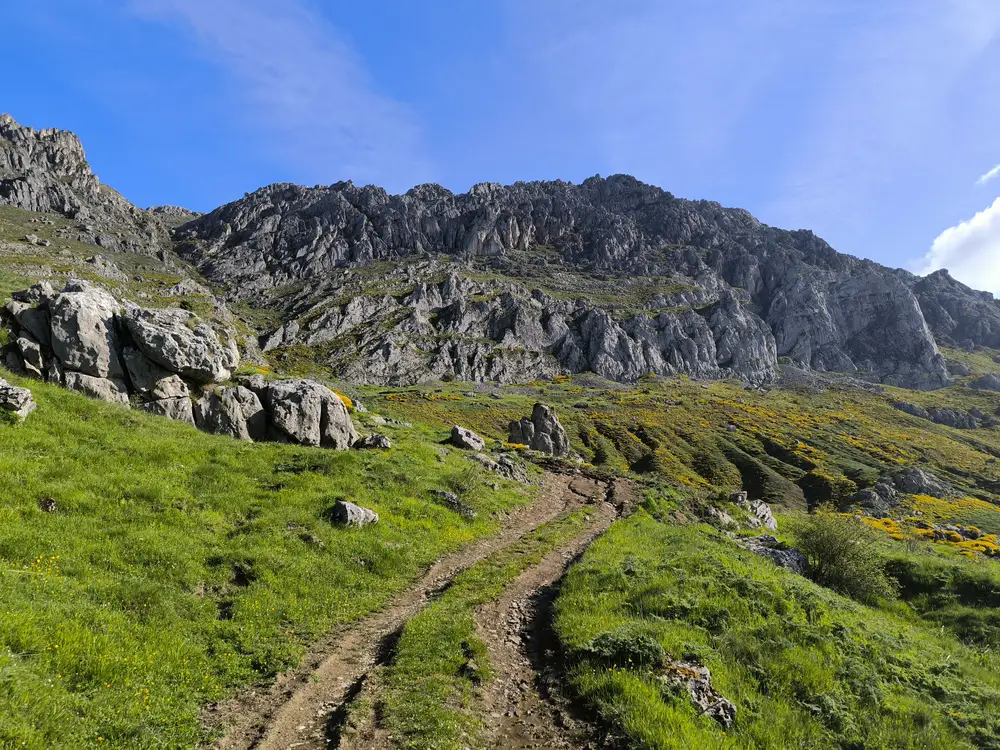 From Arbas to Luna
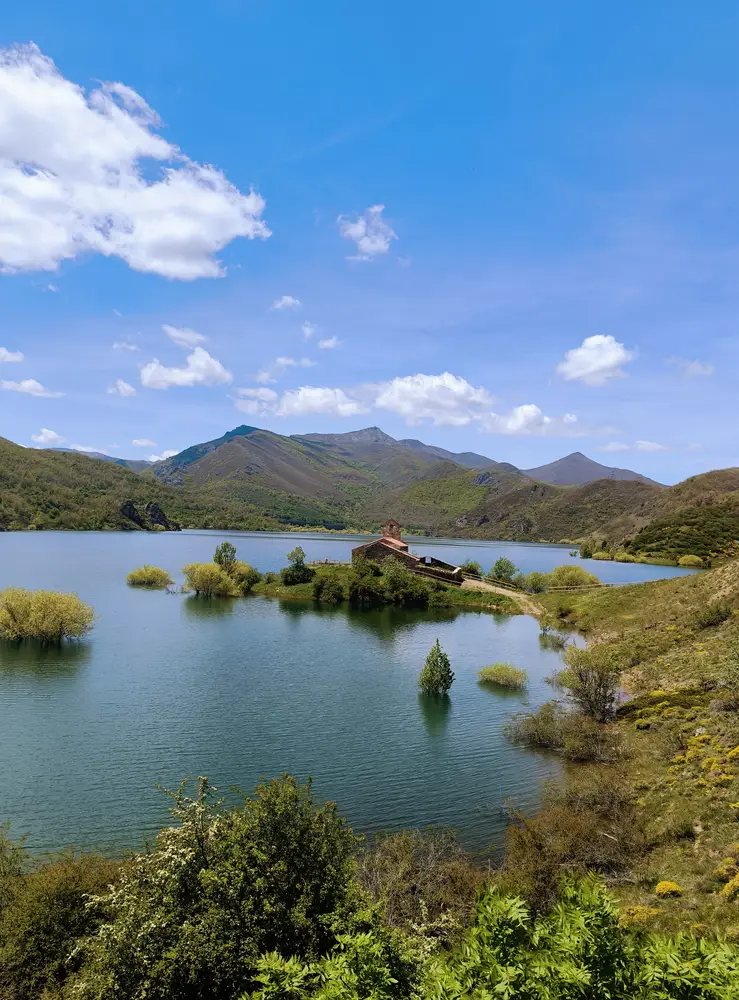 Babia y Luna dam
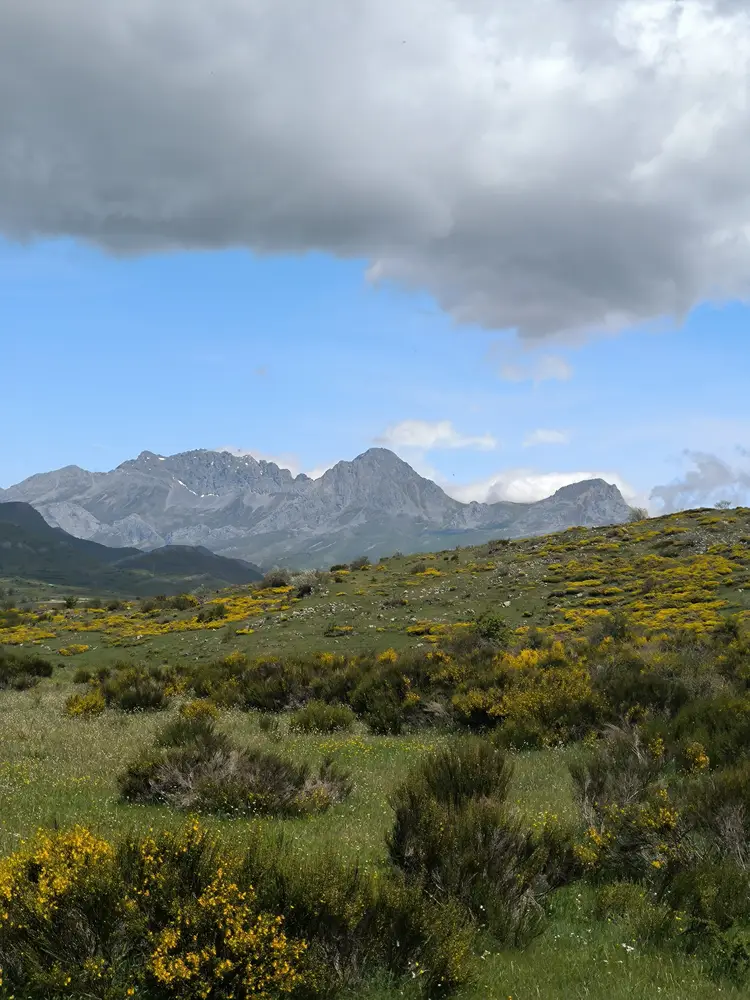 Peña Ubiña from Babia
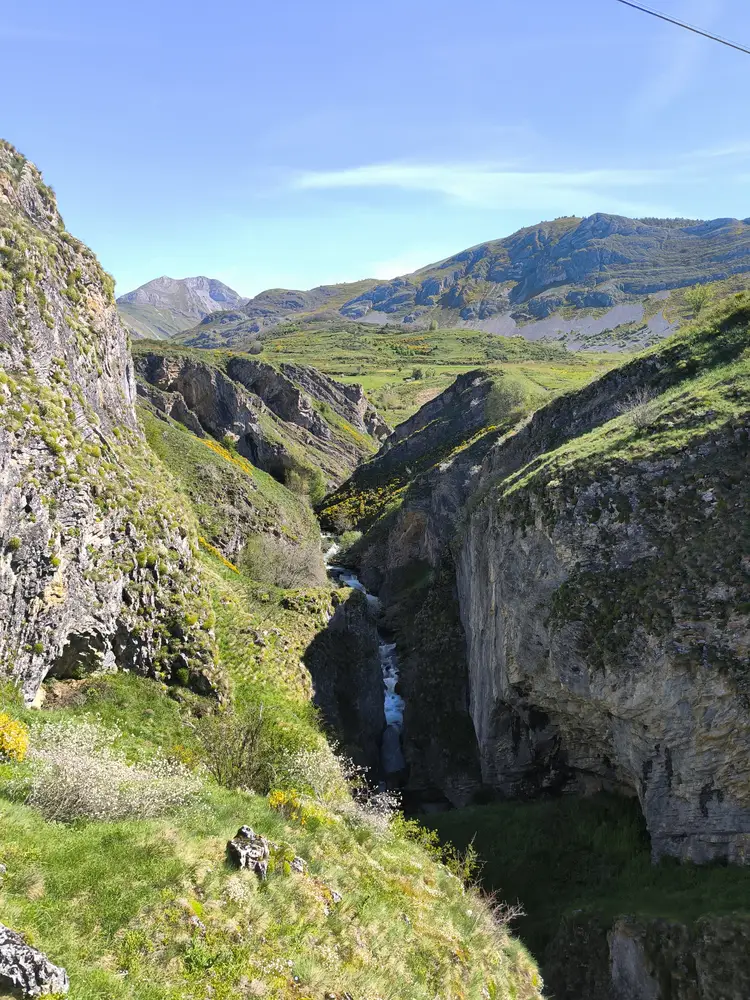 Laciana valley
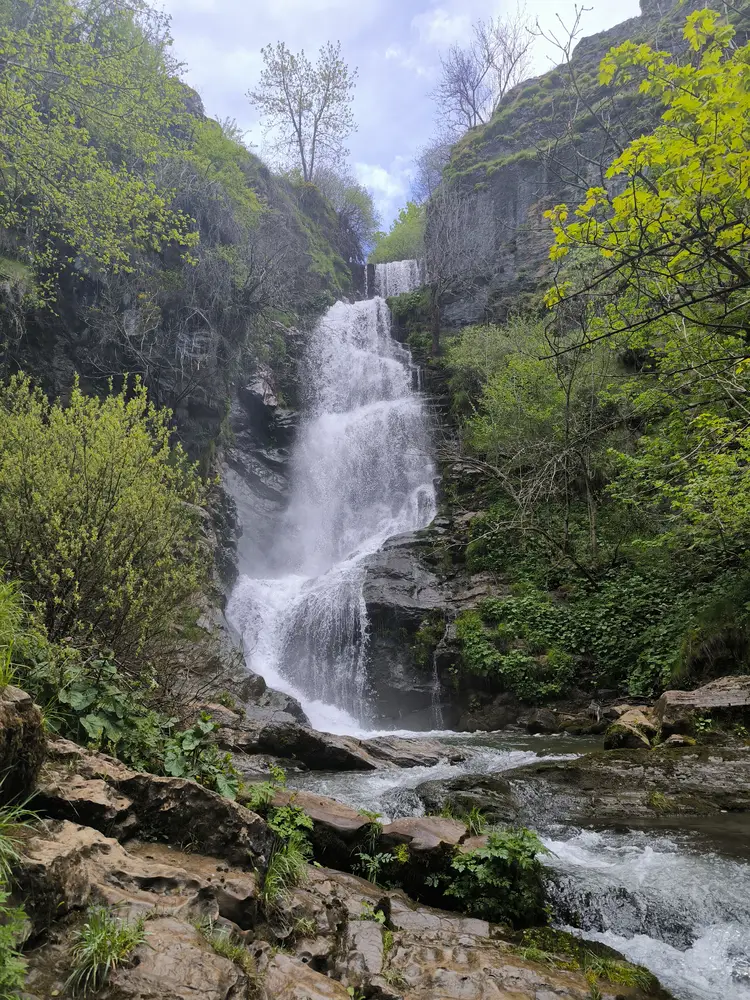 Lumajo waterfall
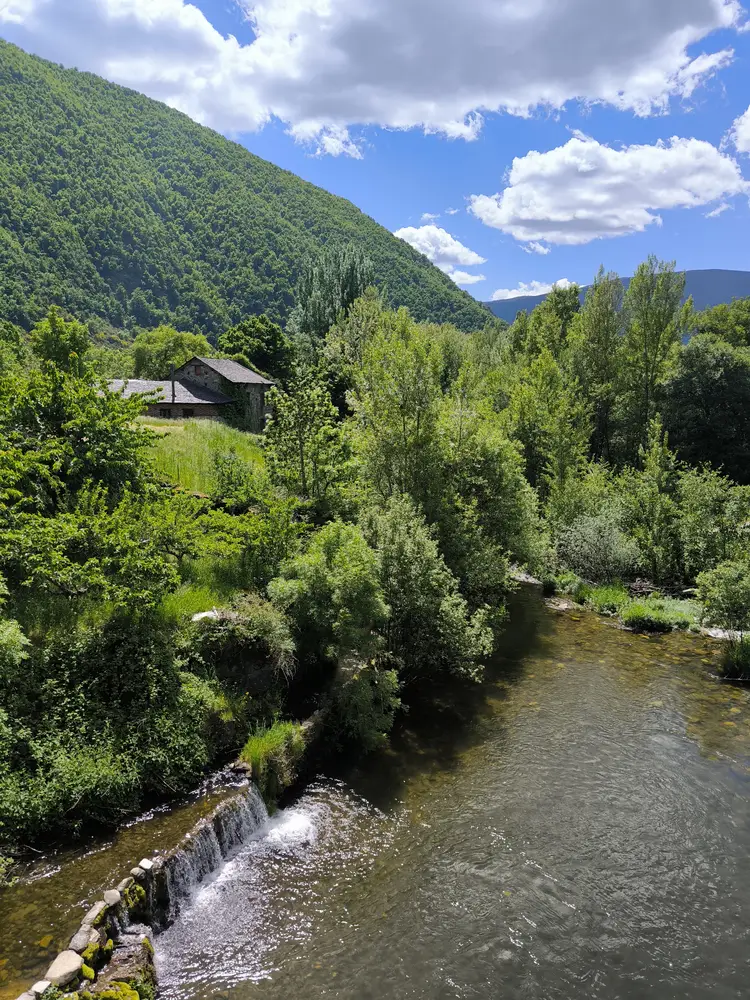 Sil River
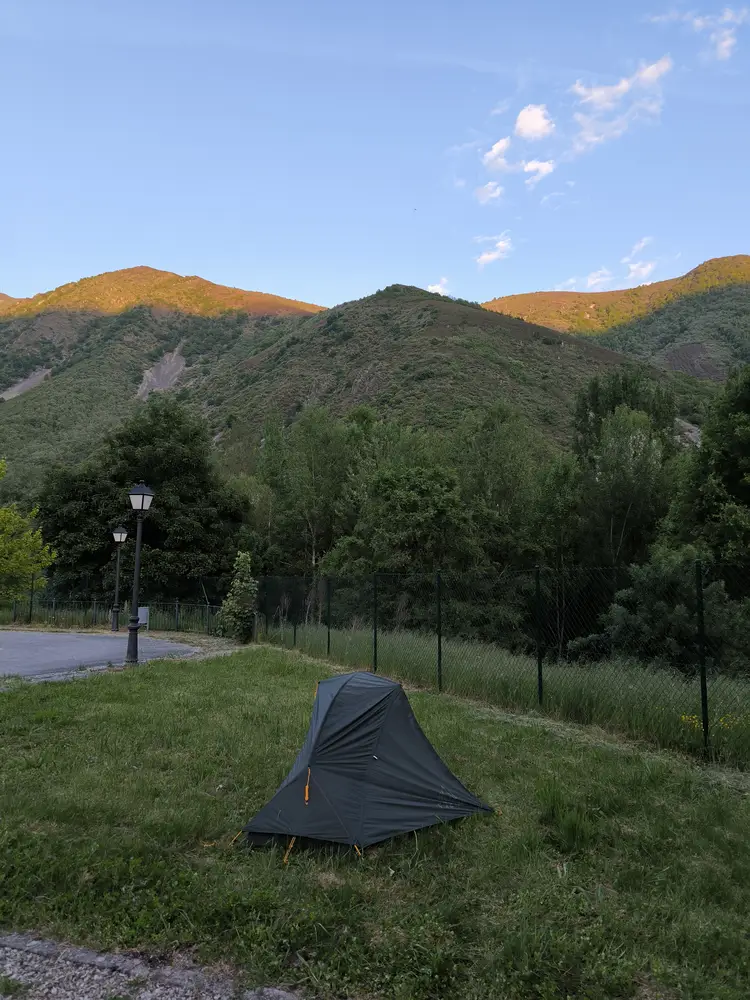 Camping at Palacios del Sil
Stages 12–15: The Last Days in the Range
I left behind any lingering sense of civilization to cross the Ancares Natural Reserve, the area where I finished my journey through León to enter Lugo, Galicia. A miña terriña!
Those 4 days were incredibly grueling. Looking back now, I’m more amazed than I was at the time. The sun, the mileage, the hunger—everything. I’d be lying if I said there were easy moments; even when I lay down to sleep at night, I was so exhausted that I struggled to recover my energy.
The support of my loved ones was crucial for getting through the inhospitable Ancares and its remote villages. It was hard to find anyone in those towns, let alone a shop or a bar. Still, it was worth it.
I went from the Sil Valley to discovering Peranzanes, Guímara, Pereda de Ancares, the empty Campo del Agua, the area around Tres Obispos peak, and numerous mountain shelters… until finally reaching Pedrafita do Cebreiro. The entire Ancares reserve was in bloom. It was mid-May, and pink flooded the landscape. There was an incredible mix of colors, a sun that was quite strong for spring, and an endless blue sky.
One of the toughest and most “intense” (jarta) stages was Stage 14 (Pereda de Ancares to Campa de Brego): 31 km, 1,600 m of elevation gain, and a night in a shelter already inside Galicia. I say intense because I had a terrible surprise when I reached the shelter… I had lost my phone!! It was one of the worst feelings I’ve ever had. Not because of the device itself, but because it was my only lifeline in the middle of the mountains, in a completely empty area, knowing I was sleeping there alone. Plus, I still had 7 or 8 days left to reach Santiago.
But the wildest part? I started retracing my steps—exhausted, drained, and totally demoralized—and after 40 minutes, I found it! It seems fate wanted to give me a little break at the end of the mountain range!
Reaching Pedrafita do Cebreiro the next day was a massive achievement for me. The mountain portion was over, and to my pleasant surprise, a new part of the adventure was beginning—one that would be just as emotional.
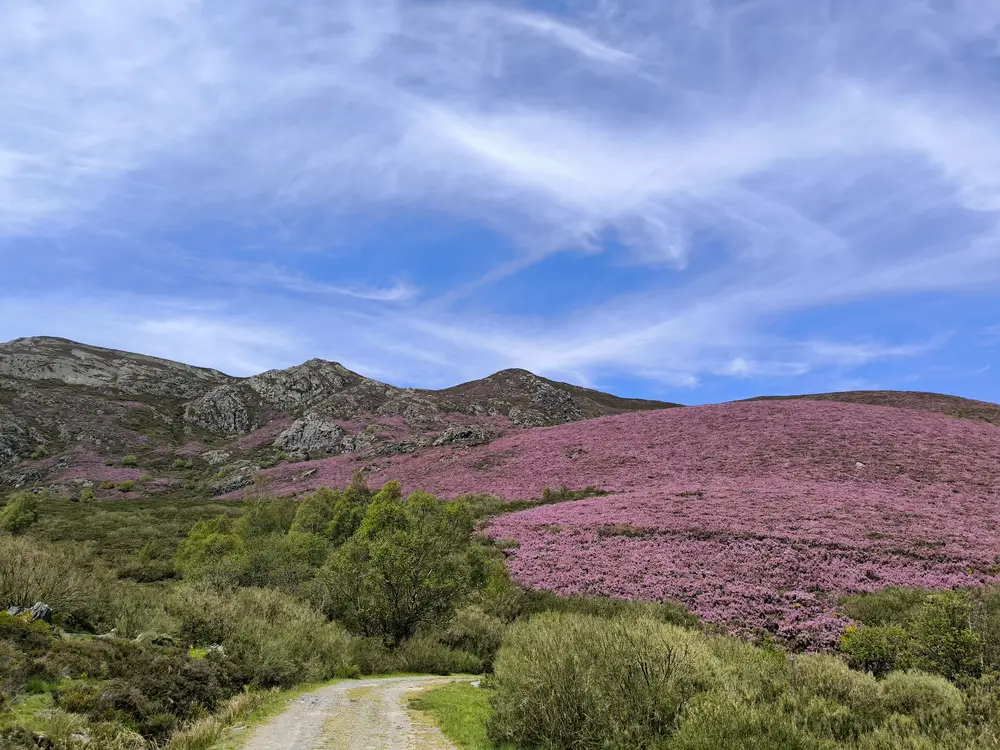 Passing Guímara
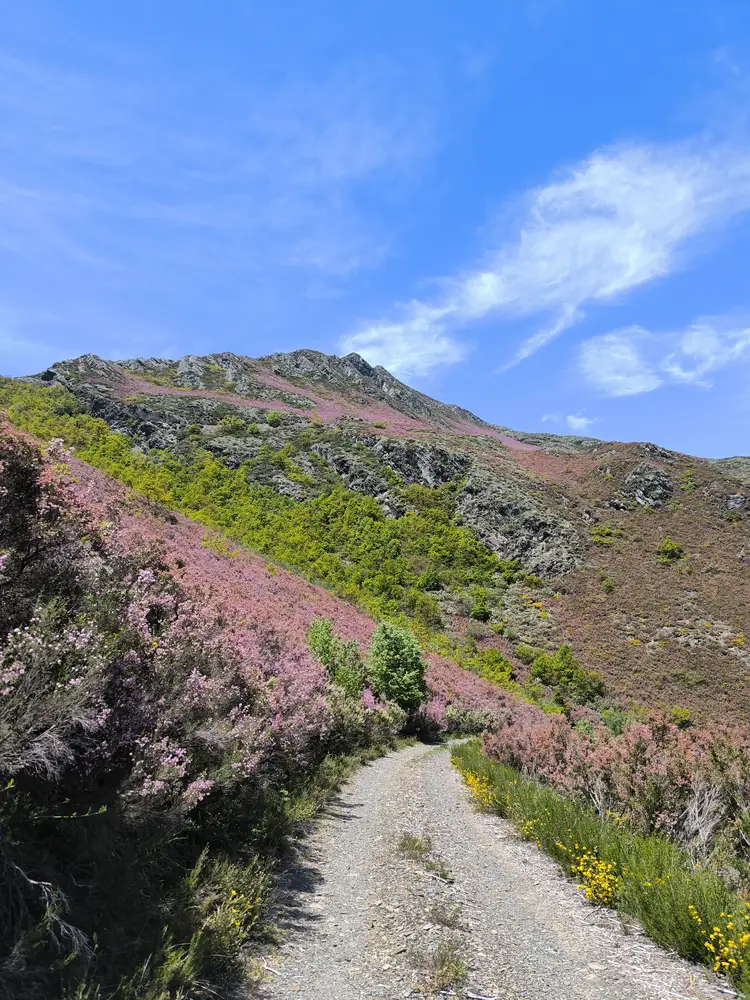 The Ancares and its colors
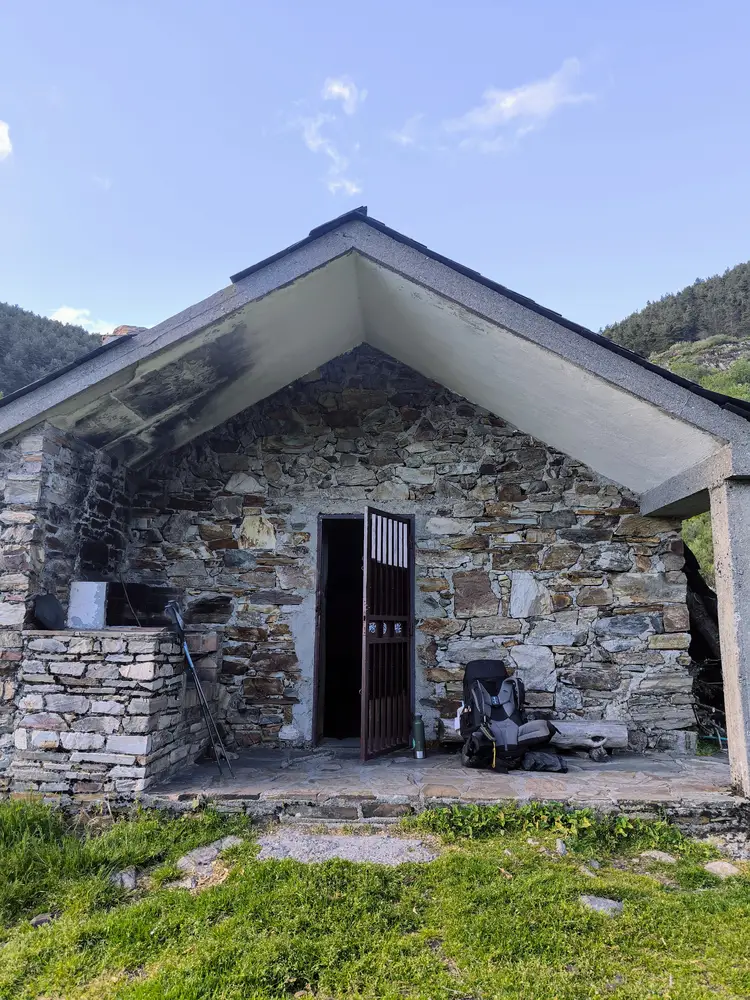 Mountain hut at The Ancares
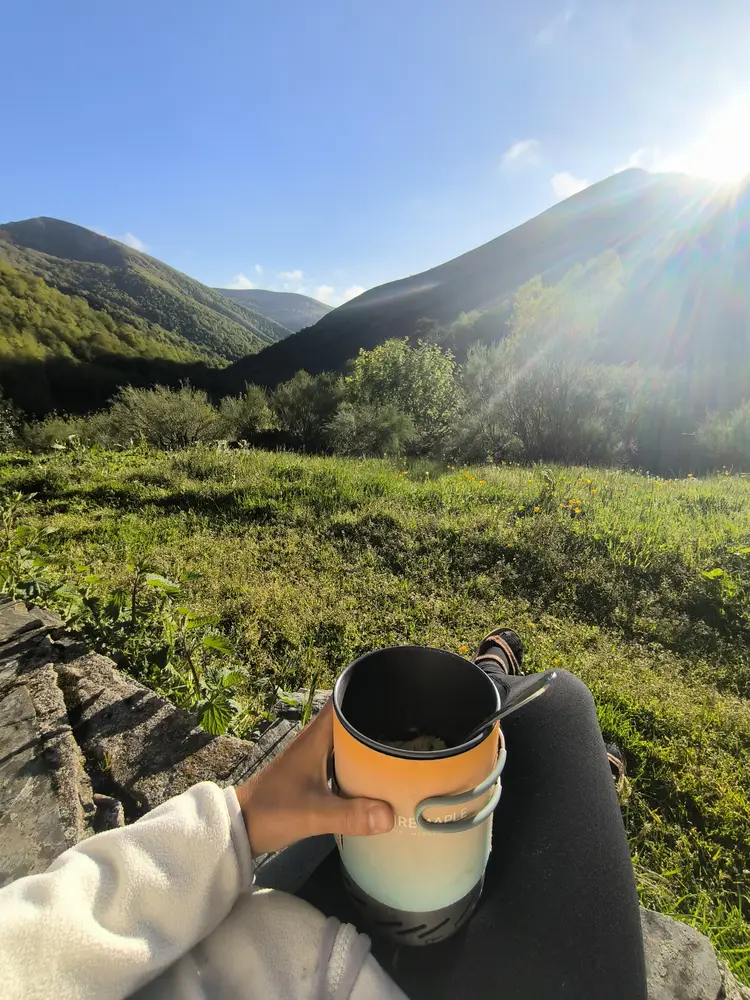 Pasta for dinner!
Stages 16–23: The French Way
I transitioned from mountaineer to pilgrim, completing the following stages: Pedrafita do Cebreiro – Triacastela – Sarria – Portomarín – Palas de Rei – Melide – Arzúa – O Pedrouzo – Santiago de Compostela.
I have nothing but good things to say about the Camino de Santiago. Coming from where I came from, I thought it would just be a stretch of quiet daily walking—zero emotion. I had heard stories of people saying it changed their lives, and now I finally understand why.
I met people of all kinds, from many different countries, with moving stories and dreams to fulfill. The atmosphere is welcoming—an environment that invites you to talk, to ask, to listen. You get lost in hours-long conversations where you breeze through an entire stage with a stranger, learning so much about them without even knowing their name. On the Path, you meet people who inspire you, teach you, and make you reflect. It’s not because the people on the Path are “special” or different, but because we are all willing to listen and connect. On the Camino, we are all pilgrims; we are all equal. Feeling equal to others gives you the comfort to open up from a place of humility rather than ego. I believe that is where the essence of the Camino de Santiago lies. That was my reflection. Now, I understand how it can change lives: feeling heard and understood by strangers is a luxury and a privilege, especially in a world where it’s sometimes hard to feel that way even in your own environment.
I’ll add to this reflection a phrase a friend named Beth told me years ago: “We have two ears and one mouth, perhaps so we can listen twice as much as we speak.”
Thank you for your company to all who shared great conversations with me. I’ll name those whose names I did learn: Miki from Germany, Tony from Valencia, Zaneta from Lithuania, Dory from Venezuela, Mario from Madrid, Cathy from Ireland… thank you.
My reason for reaching Santiago wasn’t related to religion or spirituality, but it was related to faith.
I am a person with faith, with hope, with inner strength, and the belief that through struggle, anything can be achieved. It was that faith that kept me walking for 530 kilometers, ascending more than 16,000 meters of elevation gain, and enduring all kinds of hardships for 24 days.
It was the faith of believing I was capable.
And I was.
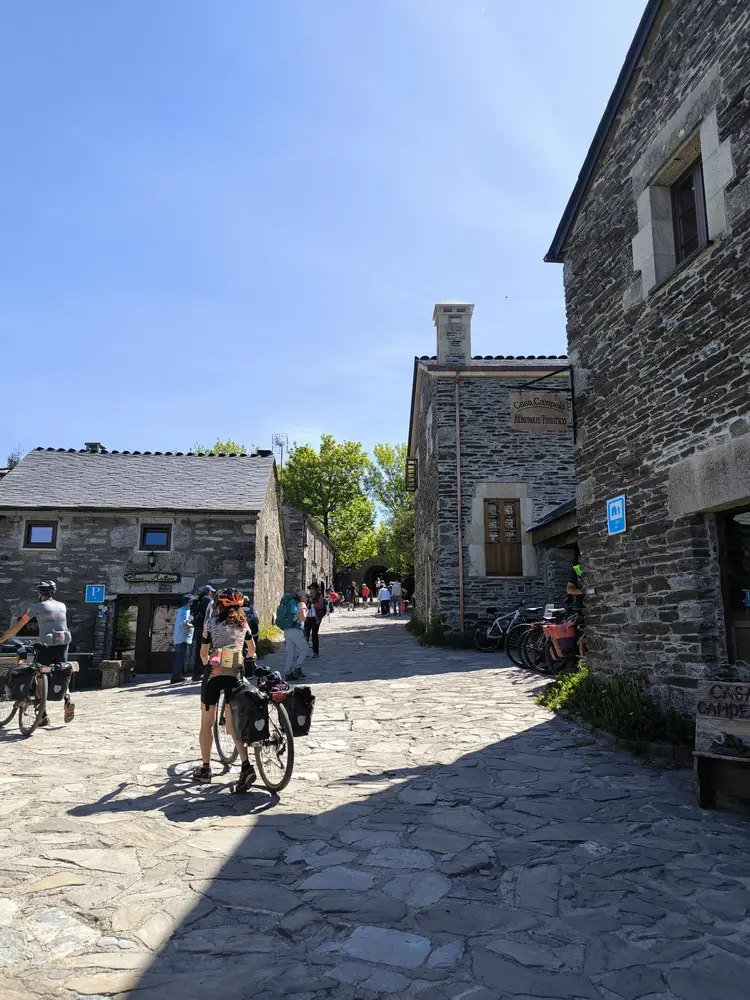 Pilgrims in O Cebreiro
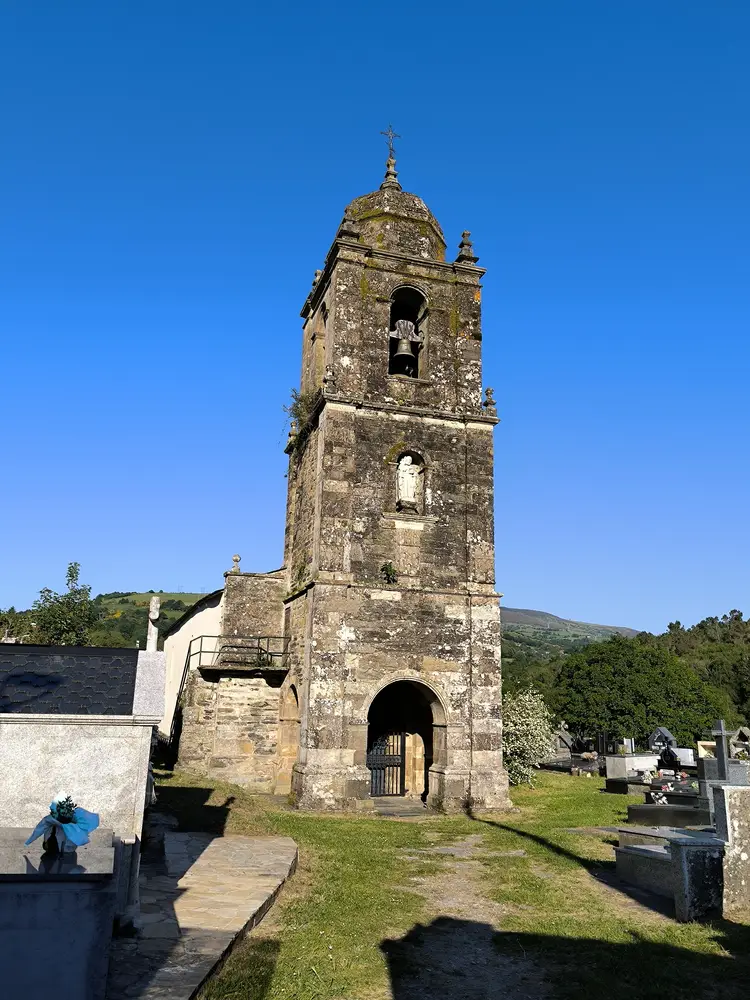 Triacastela
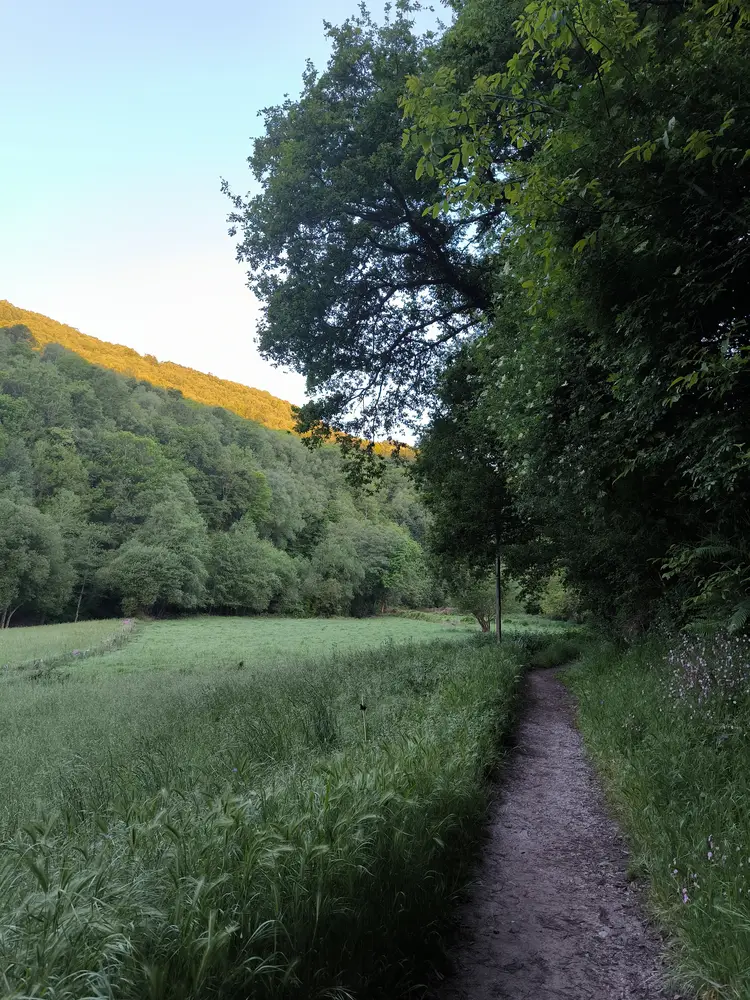 The French Way
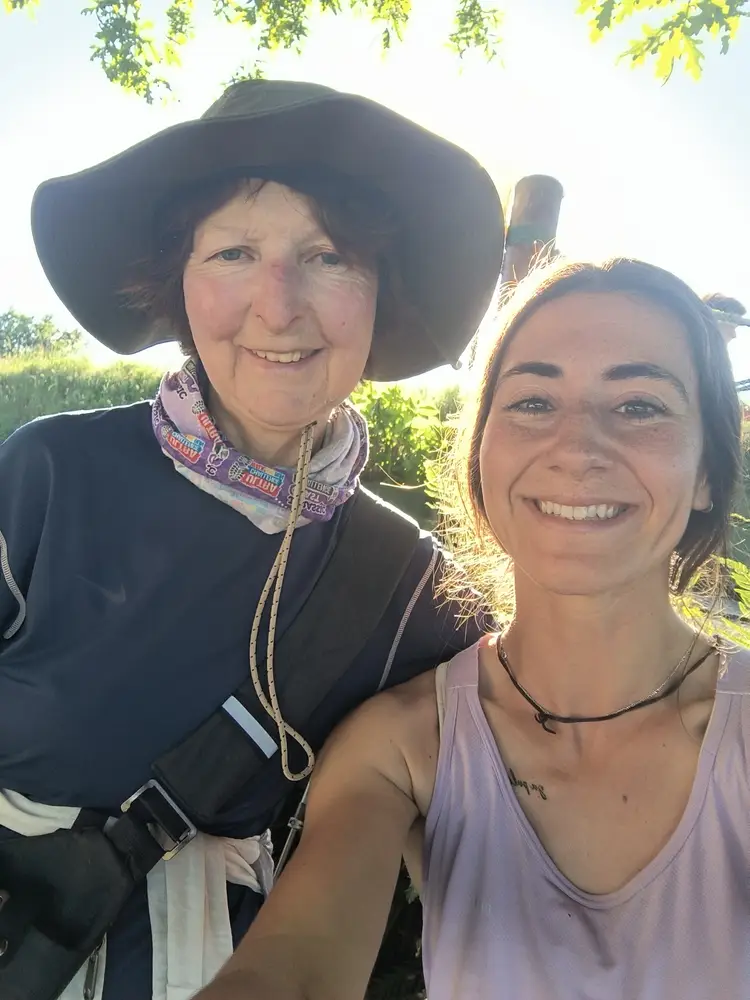 With Cathy
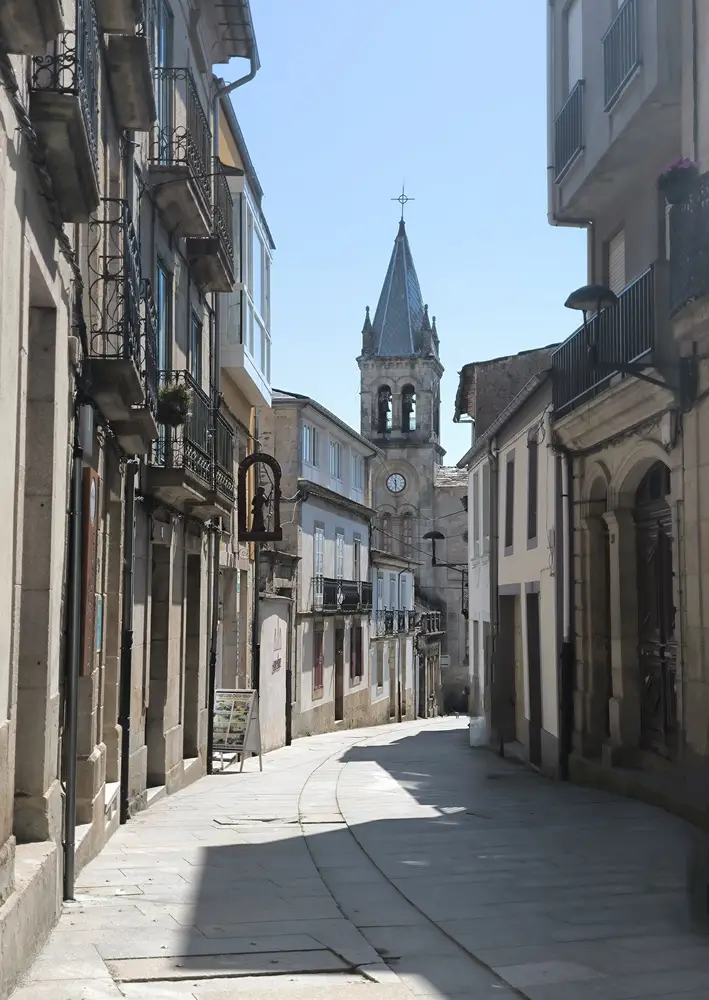 Sarria
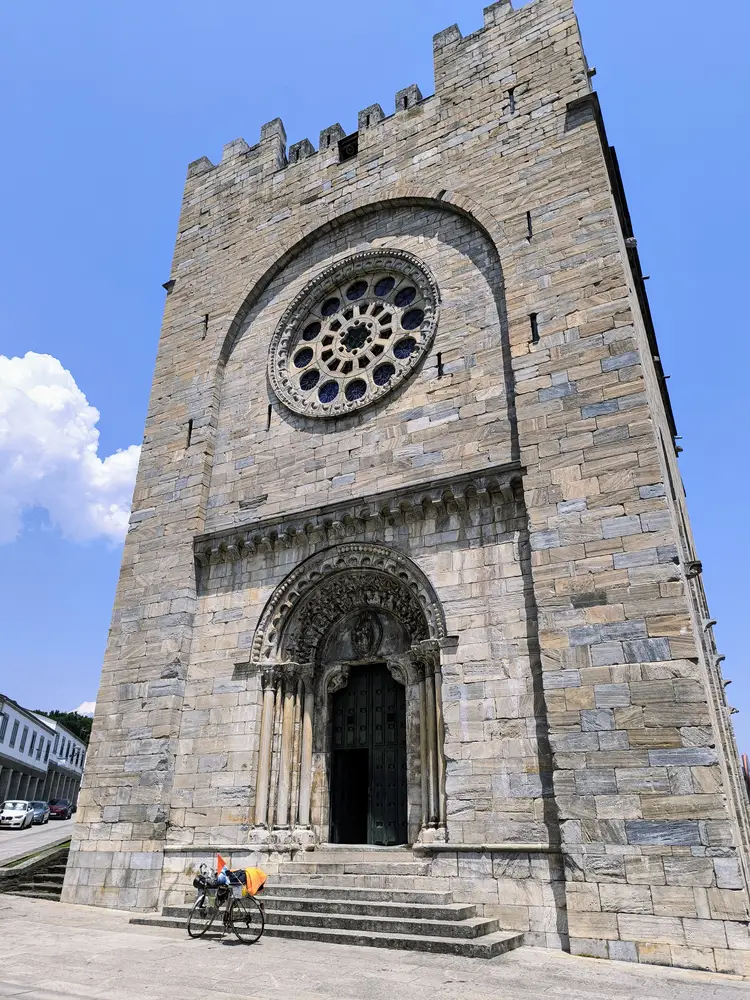 Portomarín
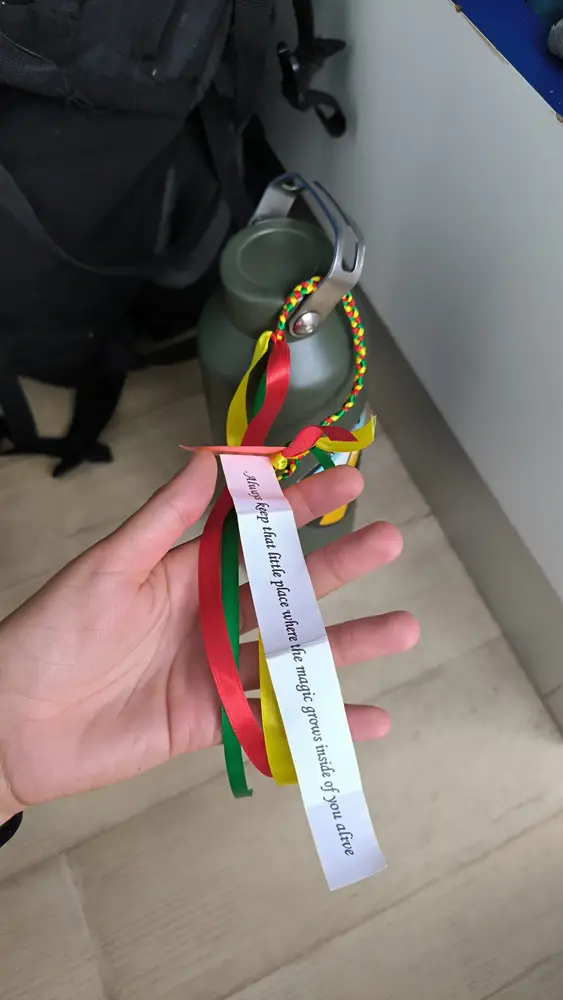 Zaneta’s gift
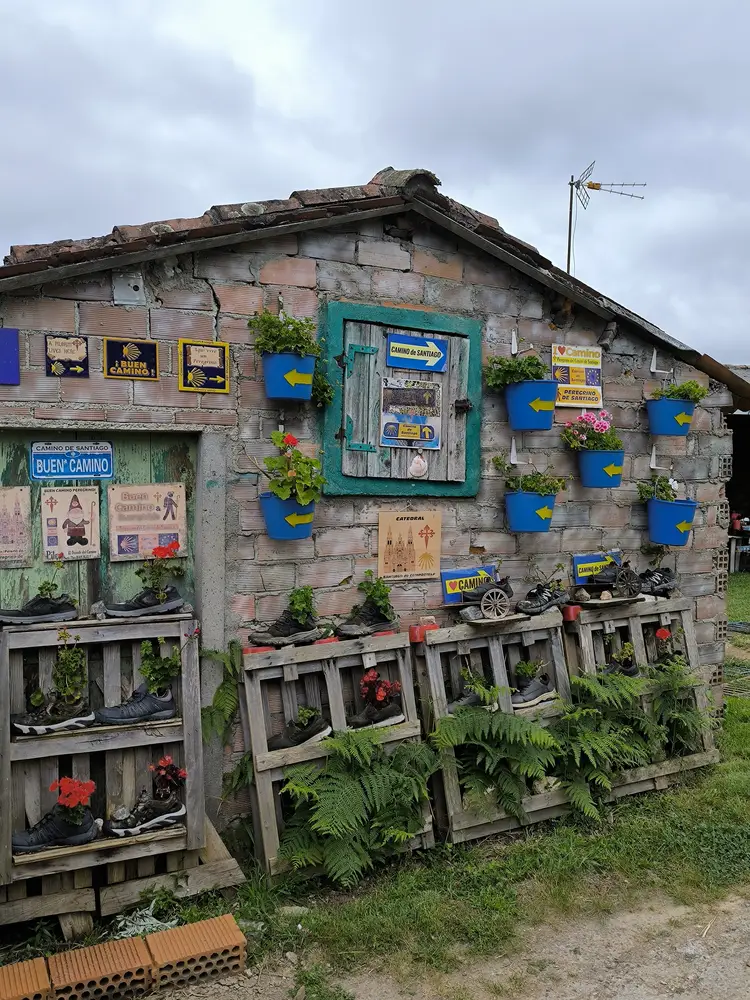 Pilgrim house
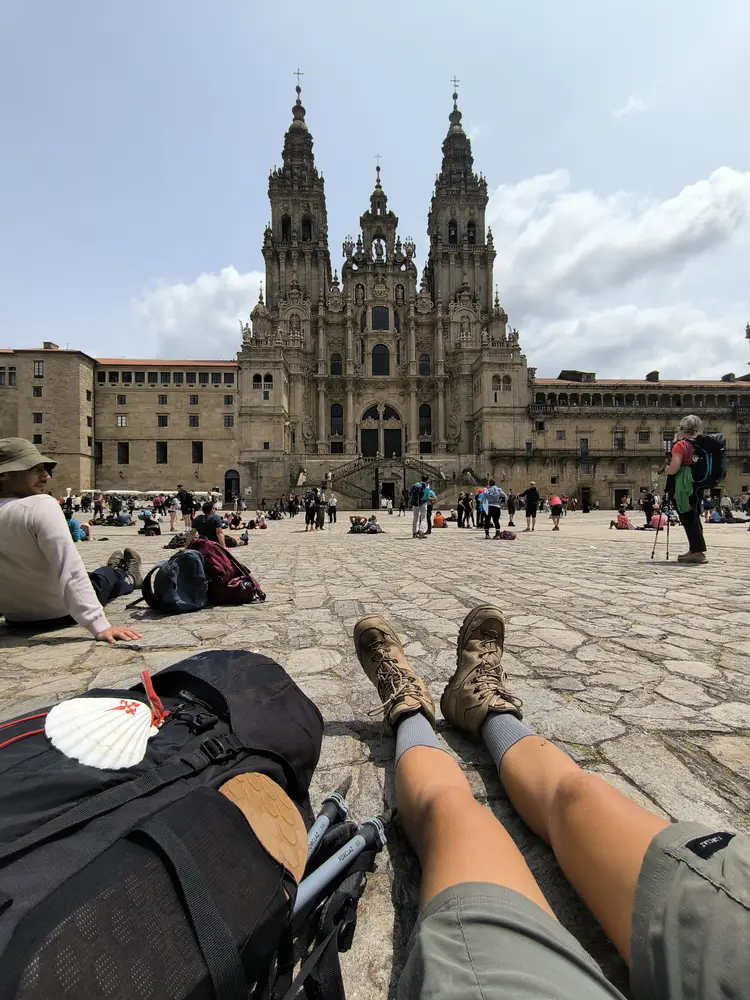 Arrival in Santiago
If you’re interested in seeing my video-diary documentary of the Transcantabrian Way, you can find it on my personal Instagram account in the Reels section.
To learn more about the Transcantabrian Way, you can read this blog or consult this book.